Why Does the Desert Get Cold at Night Despite the Daytime Heat?
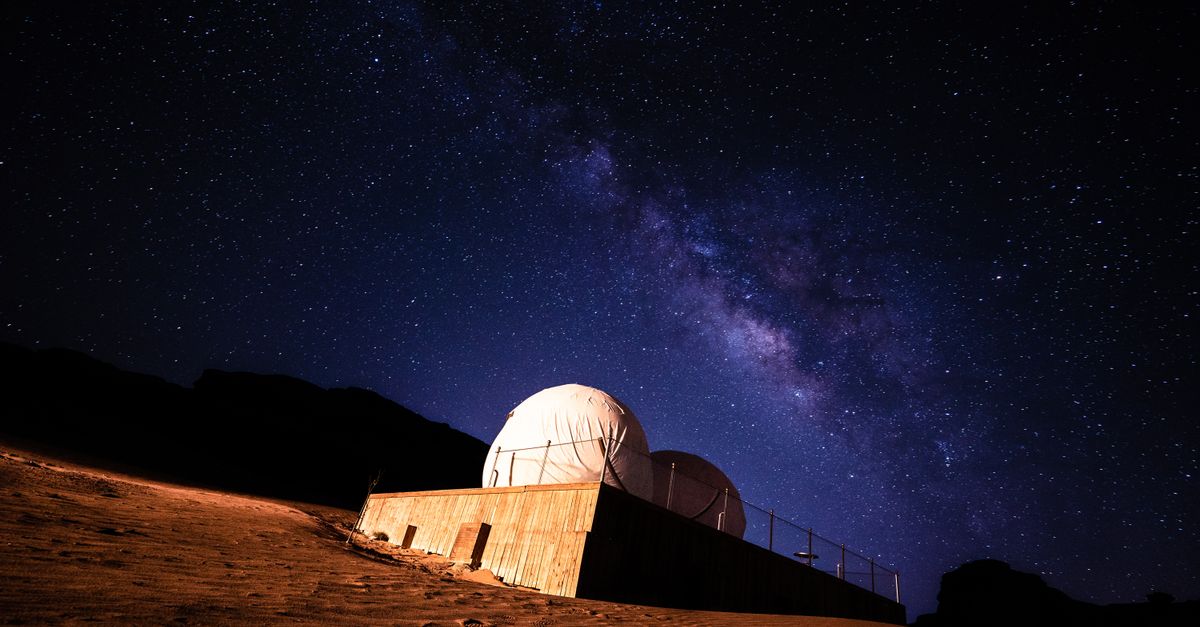 📷 Emran Omar · Pexels
✦ Key takeaways
- Dry desert air stores very little heat compared with humid air.
- Sand heats and cools quickly because it is poor at retaining heat and radiates it fast at night.
- The absence of water vapour and clouds means no 'blanket' to trap heat near the ground.
- Water vapour is the most important natural greenhouse gas; its scarcity speeds heat loss.
- The gap between day and night temperatures in a desert can exceed 40°C.
One of the desert's wonders is that a traveller who nearly melted under its noon sun may shiver with cold beneath its stars at night, and in some deserts may even find frost coating the sand at dawn. This sharp contrast between a blazing day and a freezing night is neither coincidence nor storytellers' exaggeration; it is the direct result of precise physical properties involving dry air, the nature of sand, and the absence of humidity and clouds. Let us see how the desert loses all its hard-won heat within a few hours after sunset.
First: Dry Air Stores No Heat
The most important reason the desert turns cold at night is the dryness of its air. Humid air, saturated with water vapour, has what physicists call a high heat capacity; it can absorb large amounts of heat during the day and release it slowly at night, acting as a reservoir that moderates the climate. Desert air, by contrast, is extremely dry, with very little water vapour, so its heat capacity is low. This means it heats quickly by day and cools just as quickly by night, simply because it holds no watery 'store' of warmth.
Personal Budget Planner
Plan income & expenses, see your savings rate & 50/30/20 — live charts.
Compare this with humid coastal regions, where nights stay relatively warm because abundant water vapour releases its stored heat gradually. But in the desert, where the air is stripped of moisture, heat dissipates into space with almost no resistance.
Second: Water Vapour, the Missing Blanket
Water vapour is not merely a heat reservoir; it is the single most important natural greenhouse gas. On humid nights, water vapour and clouds act like a blanket that absorbs the infrared radiation rising from the ground and re-emits part of it back toward the surface, keeping heat trapped near the earth. This is the essence of the natural greenhouse effect, and it is what makes nights in forests and coastal cities mild.
In the desert this blanket is entirely absent. With water vapour scarce and clouds missing on most nights, the thermal radiation rising from the sand meets nothing to stop it, so it escapes directly into the upper atmosphere and then into cosmic space. The ground loses its heat as though radiating it into a bottomless cold sink. This rapid heat loss by radiation is the primary engine of cold desert nights.
Third: Sand Heats and Cools Fast
Sand plays its own important role. Sand is a poor conductor of heat with a relatively low heat capacity, so its surface layer warms very quickly under the sun without carrying that heat downward. The warmth stays confined to a few centimetres at the surface and is not stored deep underground as it would be in moist soil or dense rock.
When the sun sets, the scene reverses: the hot surface layer, which never stored its heat at depth, radiates all of it to the sky within a short time and cools as fast as it warmed. Water, for example, stores heat and releases it slowly, but dry sand does the opposite: quick to gain, quick to lose. That is why sand can be scorching at midday and nearly freezing just before dawn.
Fourth: Clear Skies Speed the Cooling
Desert skies are usually clear and cloudless. While this clarity intensifies daytime heat by letting sunlight reach the ground unobstructed, at night it works against warmth. On overcast nights, clouds reflect rising thermal radiation back toward the ground and slow heat loss; a clear sky, by contrast, throws the door wide open for heat to escape into space. Thus clear skies, dry air, and fast-cooling sand conspire to produce a bitterly cold night.
Table: Day Versus Night in the Desert
| Factor | Daytime | Night |
|---|---|---|
| Sun | Pours heat down with no cloud shield | Entirely absent |
| Sand | Surface heats quickly | Radiates heat quickly and cools |
| Dry air | Heats fast due to low humidity | Cools fast due to low humidity |
| Vapour and clouds | Scarce | Absent, so no heat is trapped |
| Result | Heat may exceed 50°C | Cold may approach 0°C or below |
The Scale of the Swing
As a result of all the above, deserts experience the largest daily temperature range on Earth. In the Sahara and the deserts of Arabia, the gap between the day's peak and the coldest hours of night can sometimes exceed 40°C. Temperatures may touch 50°C by day, then fall below 10°C at night, and some high deserts record actual frost in winter. This enormous range distinguishes the continental desert climate from mild coastal climates, whose swings are softened by the sea and its moisture.
Why This Matters
Understanding this phenomenon is no mere scientific luxury. Desert dwellers throughout history built their lives around it: tents closed at night to trap warmth, clothing that guards against both the day's heat and the night's cold, and desert creatures that evolved behaviours to hide by day and stir at night, or the reverse. The same understanding matters in designing buildings in hot, dry regions, where the thermal mass of thick walls is used to store the night's coolness and temper the day's heat. It is a living example of how simple laws of physics shape an entire way of life in a harsh environment.
Conclusion
The desert grows cold at night not because it is farther from the sun, but because it lacks anything to trap its heat: dry air of low heat capacity, sand that radiates away what it gained, and a clear sky with no clouds or water vapour to return heat to the ground. So when the sun sets, all the day's warmth streams into space within a few hours, and a freezing night settles over sands that were, hours earlier, like embers. It is a delicate balance between rapid gain and even faster loss.