What Causes Humidity? And Why It Makes the Heat So Much Harder
 📷 Nikolett Emmert · Pexels
✦ Key takeaways
- Humidity is the amount of water vapor dissolved in the air, higher near seas and water.
- Warm air holds more vapor than cold air, so heat and humidity often go together.
- The dew point is a truer gauge than relative humidity for how oppressive it feels.
- When air saturates with vapor, sweat cooling fails, so heat becomes a danger, not a nuisance.
You step out of the car's air conditioning onto the street of a Gulf coastal city, and the air itself feels heavy, clinging to your skin, soaking your shirt before you have taken ten steps. The temperature might be identical in an inland town, yet the sensation is worlds apart. The secret is one word: humidity. But what exactly is humidity? Where does it come from? And why does it turn a tolerable hot day into a stifling, unbearable one?
Humidity is not liquid water sprinkled from the sky; it is invisible water vapor dissolved in the air we breathe. Understanding how this vapor behaves explains a great deal: why you drip with sweat that never dries, why droplets form on a cold water bottle, and why coastal summer nights sometimes feel harsher than a desert afternoon.
Personal Budget Planner
Plan income & expenses, see your savings rate & 50/30/20 — live charts.
What Is Humidity and Where Does Water Vapor Come From?
At every moment water shifts from its liquid state into vapor through evaporation. This happens from the surfaces of seas, lakes, and rivers, from moist soil, and even from plant leaves and the breath of living things. The Sun supplies the energy: the warmer it gets, the more water evaporates and the higher the air's vapor content climbs. That is why regions near warm bodies of water — the shores of the Arabian Gulf and the Red Sea — are among the most humid places on Earth in summer; the warm sea is an inexhaustible reservoir feeding the air with constant vapor.
Then the wind enters the picture. When a breeze blows from over the sea toward land, it carries a vapor-laden air mass and pushes it into coastal cities, so humidity can spike suddenly even without much change in temperature. Your day's humidity is set not only by where you are, but by the wind's direction and its path over water or land.
Why Do Heat and Humidity Go Together?
There is an elegant physical rule that explains a lot: warm air can hold far more water vapor than cold air. Picture the air as a sponge that grows larger as it heats; the higher the temperature, the greater its capacity to absorb vapor. That is why the absolute amount of vapor in humid summer air is many times greater than in cold winter air, even if the numbers on the weather screen look similar.
Here we must separate two ideas that many people confuse. Absolute humidity is the actual quantity of vapor in a volume of air. Relative humidity — the figure we see in forecasts — is the ratio of what the air actually holds to the maximum it could hold at that temperature. Because the maximum capacity changes with temperature, relative humidity can deceive you: 90% on a cool night may carry less actual vapor than 60% on a hot afternoon.
The Dew Point: The Truer Gauge
Because relative humidity can mislead, meteorologists prefer a more precise measure of stickiness: the dew point. It is the temperature to which air would have to be cooled for its vapor to begin condensing into droplets. The higher the dew point, the more vapor the air carries and the more oppressive it feels. When the dew point passes about 24°C, the air turns sticky and draining; above 26°C it becomes stifling, and activity grows hard.
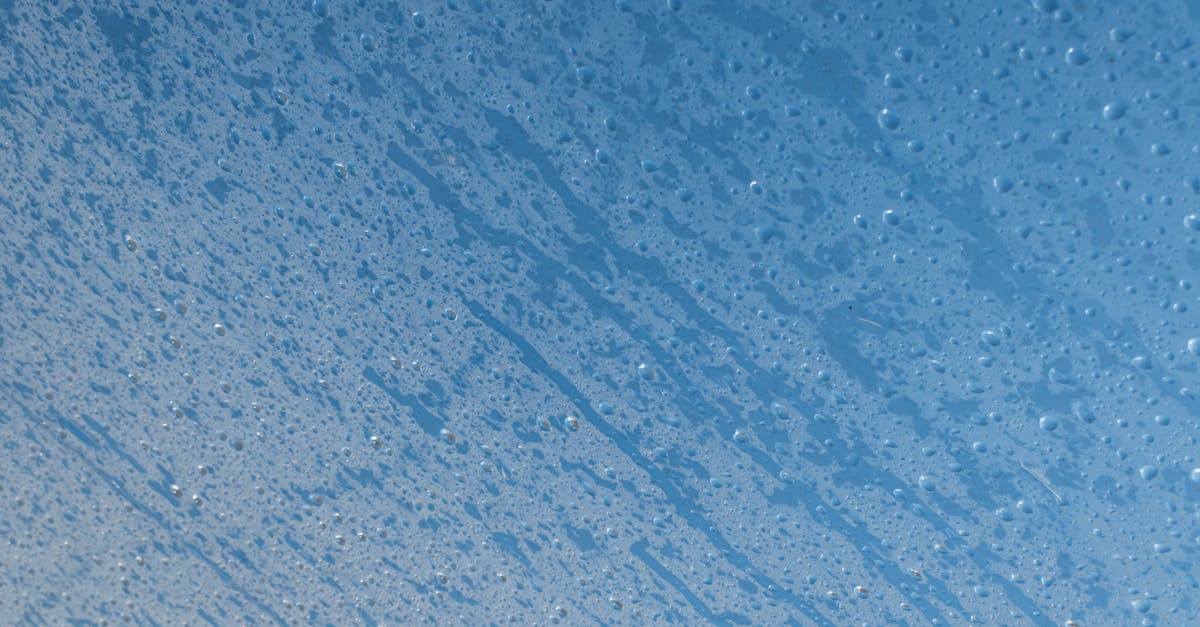
You can see the dew point with your own eyes in a familiar scene: the beads of water that gather on a cold drink glass. The water did not leak from inside; the air touching the cold glass dropped below the dew point, so its vapor condensed on the surface. The same process causes morning fog and dew on grass: night-time cooling forces the air to release water it can no longer hold.
Why Does Humidity Make Heat Unbearable?
Now we reach the heart of the suffering. Your body is a machine generating heat constantly, and its main way of shedding it in hot weather is sweating. But sweat itself does not cool you; its evaporation does. When sweat evaporates from your skin it carries away a large amount of heat (the latent heat of vaporization), so you feel refreshed. This process is quick and easy when the air is dry and thirsty for vapor.
But in humid air the atmosphere is already saturated, so sweat finds nowhere to evaporate to. It stays liquid on your skin, dripping with no cooling benefit, and your body's thermal control system stalls. Your core temperature rises while you believe you are sweating well, and that is precisely what makes humidity a silent killer: heat exhaustion and heatstroke are more common in humid conditions than in dry ones at the same temperature, because your body has lost its only weapon.
For this reason scientists devised a measure called the wet-bulb temperature, which blends heat, humidity, and ventilation to express the outer limit a human body can endure. As this value approaches about 35°C, cooling by sweat becomes practically impossible no matter what you do, and simply being outdoors turns life-threatening even in shade and while drinking water. Hot, humid coastlines — such as the Gulf shores at the peak of August — are among the few places on Earth that can brush against this limit, which makes awareness of humidity a matter of safety, not mere comfort.
How to Live Wisely with Humidity
Since evaporation is the key to comfort, anything that helps it helps you. Loose cotton clothing beats clinging synthetics because it lets the layer of air near your skin refresh itself. A fan does not lower the room's temperature, but it moves saturated air away from your skin and brings in less-saturated air, helping some sweat evaporate. An air conditioner does a double job: it cools the air and strips part of its moisture by condensing it on cold coils, which is why you see water dripping from the outdoor unit.
Drink water generously even if you do not feel you are losing much, because the loss is real even when sweat does not evaporate quickly. Avoid exertion during the humid peak hours, and seek shade and ventilation. If you work outdoors, take frequent breaks in an air-conditioned or well-ventilated shaded spot. Understanding that your real enemy in a coastal summer is not the number on the screen alone, but the hidden vapor that paralyzes your body's cooling, is the first step toward a safer summer.
Sources
Sources: U.S. National Weather Service, National Oceanic and Atmospheric Administration (NOAA), National Geographic.