The Great Fire of London 1666: How Fire Devoured a City and Reborn It
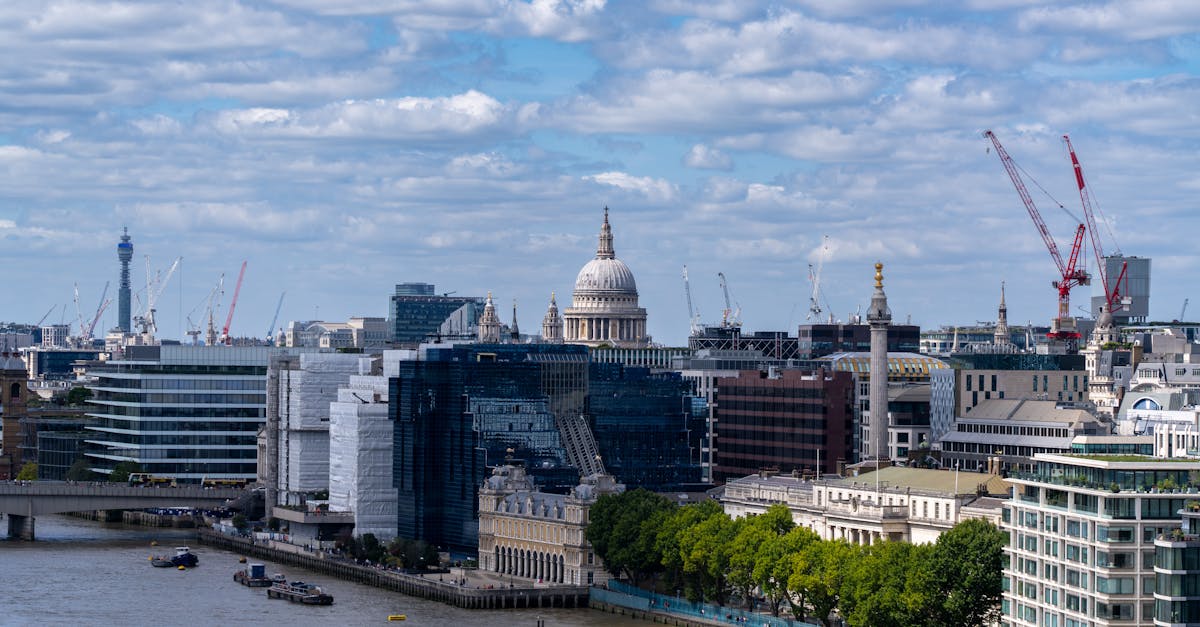 📷 Just Jus · Pexels
✦ Key takeaways
- The Great Fire of London broke out in 1666 from a small bakery's oven on Pudding Lane.
- It spread for four days through a city packed with adjacent wooden buildings, devouring most of it.
- Despite the vast destruction, the recorded death toll was strikingly low.
- The disaster rebuilt London with safer materials and better planning.
In the early hours of the dawn of September 2, 1666, a small fire ignited in the oven of a modest bakery on Pudding Lane in the heart of London. No one imagined this passing spark would turn into one of the greatest disasters in the city's history, devouring its heart in four days, and changing its face forever. This is the story of the Great Fire of London.
How did a spark turn into an inferno?
London in 1666 was utterly unprepared for fire. It was a city packed with adjacent wooden buildings, its streets narrow with rooftops almost touching, after a hot summer that dried everything. When the fire broke out of the bakery, it found perfect fuel in every direction, and strong winds pushed it from house to house at terrifying speed. Officials at first hesitated to demolish houses to create breaks stopping the spread, so the fire escaped control.
Money Snapshot
See where your money stands in seconds: 50/30/20 split, savings rate & emergency-fund months — free.
Four days of terror
Over four days, walls of fire crept across the city devouring everything in their path: homes, churches, shops, even old St. Paul's Cathedral. Thousands fled carrying what they could, and the Thames filled with boats loaded with belongings. Finally, the primitive firefighters — helped by demolishing rows of houses with gunpowder to cut off the fire's path and the winds subsiding — managed to stop the advance. But the heart of London had turned to ash.
The surprise: vast destruction with few deaths
Although the fire destroyed tens of thousands of homes and displaced a large part of the city's population, one of the strangest aspects of the story is that the officially recorded death toll was very low — only a few. Historians suggest the fire's relatively slow spread let people flee, though some poor victims may not have been recorded. This contrast between the vast material destruction and the low human loss remains one of the event's most astonishing features.
London Before the Spark: A City of Wood
To understand how the fire spread so fast, picture London in 1666. It was a medieval city whose alleys narrowed until the roofs of facing houses almost touched overhead. The homes were built of wood and straw, sometimes coated with tar for insulation, and packed tightly together with barely any gaps. The summer had left everything parched, so the timber was like kindling thirsting for any spark. Beneath these houses, barrels of oil, tar, and gunpowder were stored in warehouses near the river. The city, without its residents realizing, was a perfect trap for fire awaiting a single match. When a spark broke out in a small bakery, it found before it only ideal fuel and narrow passages carrying the flame from roof to roof. The catastrophe was less a coincidence than an inevitable result of a city that had lived for centuries atop combustible material.
The King and Commoners Battle the Flames
Facing the inferno, London had no organized firefighting as we know it today, only water buckets, hooks, and primitive tools helpless against a fire of this scale. Residents desperately tried to douse the flames, but the wind was stronger. King Charles II and his brother intervened in the efforts themselves, finally ordering the hardest decision: deliberately demolishing sound houses to create empty gaps that would cut the fire's path and stop its spread — what are known as firebreaks. Gunpowder was used to blow up rows of houses quickly. It was a painful decision, sacrificing homes to save what remained, but it played a part in finally containing the disaster as the winds died down. Those nights exposed the city's fragility before fire as much as they revealed the courage of its people wrestling a force greater than themselves with wretched tools.
The Search for a Culprit: A Scapegoat
When a disaster of this size strikes, panicked people look for someone to blame. Amid the fire and after it, tense rumors spread accusing foreigners and Catholics of setting it deliberately, in the charged political and religious climate of the time. A victim of this panic was a disturbed Frenchman named Robert Hubert, who confessed under strange pressure to starting the fire in the bakery, though his confession was full of contradictions and could not possibly be true; it was later established he was not even in London when the fire began. Yet he was executed for a crime he did not commit. This painful story is a reminder that disasters do not only ignite fire but sometimes kindle in people a fear that seeks a victim to soothe its troubled conscience, rather than face a simpler truth: that a passing accident in a bakery set everything ablaze.
Samuel Pepys: An Eyewitness Who Immortalized the Moment
Were it not for one man who took up his pen in those days, much detail about the fire would remain lost. Samuel Pepys, the government official, kept his diary regularly, recording with an eyewitness's eyes what he saw hour by hour: the pigeons that refused to leave their nests until their wings burned, people loading their belongings into boats to flee across the river, and his own act of burying his precious cheese and some wine in a garden pit for fear of losing them. These small human details, which you won't find in official reports, are what let us today almost smell the smoke and hear the screams of the fleeing. Thanks to Pepys's diary and other sources, the fire turned from a number in a history book into a living experience where we feel human terror and hope. Writing, as his story proves, can outlast stone before fire.
Lessons That Remained After the Ashes Cooled
The Great Fire was not an end but the beginning of transformations that changed the face of cities. London realized the disaster had exposed the absence of any real system to confront fires, and among its distant results was the birth of the idea of fire insurance; businessmen founded companies that compensated the damaged in return for a subscription, and some even formed private fire brigades to protect insured buildings — the seed of modern organized fire services. The catastrophe also pushed toward stricter building codes requiring stone and brick and widening streets to act as a barrier against any coming fire. Thus the fire became a civilizational lesson beyond London: that cities often learn at a steep price, and that a single ash may carry within it the seeds of a safer order for the generations to come, who did not live the terror but inherited its wisdom.
How was London reborn from the ashes?
Disasters sometimes carry opportunity within them. After the fire, London was rebuilt with wiser new rules: buildings of stone and brick instead of wood, wider streets, and better organization reducing the risk of a repeat. The famous new St. Paul's Cathedral was also built on the old one's ruins. Thus the fire, despite its tragedy, became a turning point that transformed London from a fragile wooden city into a safer, more modern capital.