What Causes Lower Back Pain? And Why It Spread in the Office Age
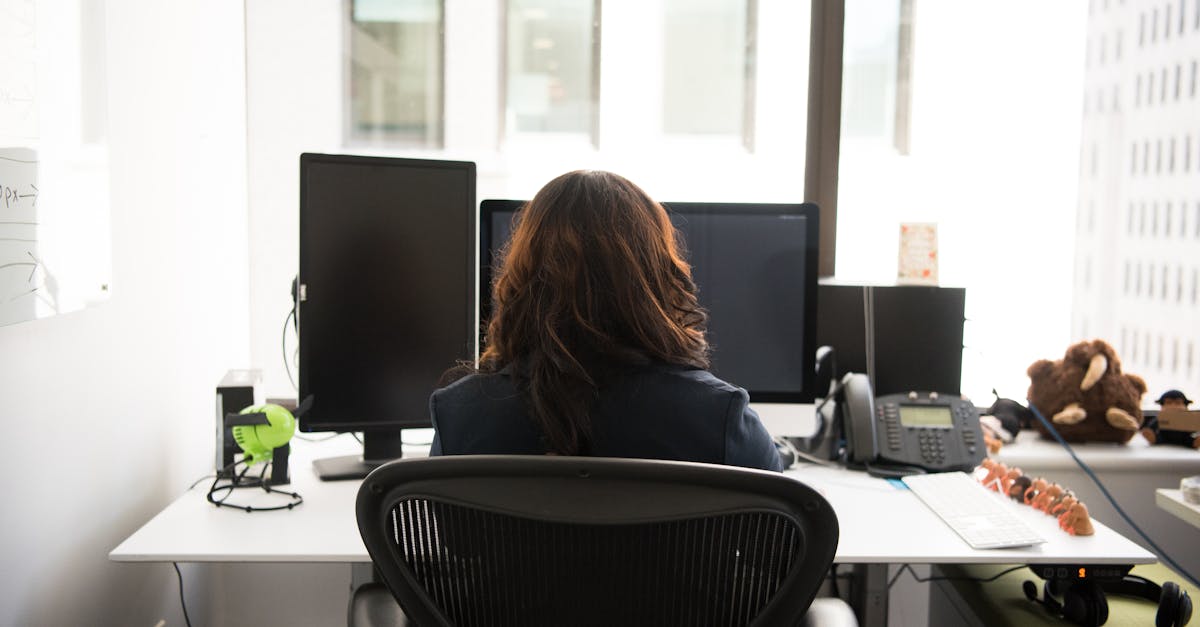 📷 Christina Morillo · Pexels
✦ Key takeaways
- Lower back pain is very common and mostly simple muscular, not serious.
- Prolonged sitting, weak core muscles, and poor posture are today's top causes.
- Regular movement, strengthening muscles, and better sitting genuinely prevent it.
- Some signs (like leg numbness or control problems) need a doctor immediately.
Ask those around you, and you'd find most have suffered lower back pain at some point. It's among the top reasons for doctor visits and missed workdays worldwide. Strikingly, its spread has doubled in our era for a clear reason: spending long hours seated before screens. The reassuring news is that most of this pain is simple muscular that passes and can be prevented — so let's understand the causes first.
Why did back pain become an 'office epidemic'?
Our backs are built for movement, not sitting for hours nonstop. When we sit long, especially hunched before a computer or phone, the vertebrae and lower-back muscles bear constant pressure, and the core muscles supporting the spine weaken. Add general inactivity and lifting things wrongly (bending from the back instead of the knees), and the recipe for pain is complete. These are simple mechanical causes, but by far the most common.
🔥 Calorie Calculator
Find your daily calorie needs and goal calories — free & instant.
Other causes worth knowing
Besides muscle strain, there are less common causes: an acute muscle spasm after a sudden movement, or problems in the discs between vertebrae that may press a nerve causing pain radiating to the leg, or poor fitness and excess weight increasing the load on the back. Pinpointing the exact cause sometimes needs a medical evaluation, especially if the pain is recurrent or prolonged.
Practical prevention (the most important)
The best treatment for back pain is preventing it from the start, with simple steps: don't sit more than 30–45 minutes straight without standing and moving a little; fix your sitting so your back is supported and the screen at eye level; strengthen your core with light regular exercises, as they're the back's natural 'belt'; lift things by bending your knees not your back; and move daily even by walking, since movement nourishes the back more than complete rest. These habits protect your back for years.
Your Back's Anatomy in a Minute
To understand your back pain, picture your spine as a tower of small bones called vertebrae, separated by flexible cartilage cushions called discs that act as shock absorbers. Around this tower runs a network of muscles, ligaments, and tendons that hold and move it, and through it passes the spinal cord carrying signals between brain and body. When any of these elements falters — a muscle spasm, pressure on a disc, or a strained ligament — pain appears as an alarm. The lower back specifically carries the weight of your upper body, so it endures greater pressure than other regions. Understanding this simple picture helps you realize your back is a living, integrated structure that needs movement and balance, not merely a hard bone we overload every day without notice.
Wrong Postures We Live Every Day
Much back pain begins from small habits we repeat unconsciously. Bending to lift something heavy from the floor with an arched back instead of bending the knees loads the discs with sudden pressure. Sitting slouched before a screen with rounded shoulders for hours prolongs muscle tension. Carrying a heavy bag on one shoulder, sleeping on a sagging mattress, or even holding a phone with the head bowed for long stretches ('text neck') all impose unbalanced strain. The good news is these habits are correctable with simple awareness: bend your knees when lifting, raise the screen to eye level, distribute the load across both shoulders, and change your position often. Small adjustments like these, once they become habit, protect your back over the long term more than any treatment you turn to after the pain has struck.
The Back's Link to Stress and Sleep
It may surprise you that back pain is not always a matter of bones and muscles alone but intertwines with your mental state and sleep. When you live with chronic stress, your muscles tighten without your noticing, especially around the neck and lower back, so anxiety turns into real physical pain. Sleep also plays an important role: lack of sleep reduces the body's capacity to recover and raises its sensitivity to pain, while sleeping in a poor position or on an unsuitable mattress worsens the tension. This is why caring for your back doesn't stop at movement and correct sitting but extends to calming your stress with relaxing activities and organizing your nightly sleep. The body is one unit, and what soothes your mind often soothes your muscles too — this mutual relationship is a key we often overlook on the journey to relieving back pain.
Movement Is a Gentle Medicine
The obvious solution to back pain may seem to be total rest in bed, but research suggests that regular gentle movement is better in most mild cases. When you move moderately, blood flows to your back muscles, keeping them supple and strong instead of stiffening from prolonged stillness. Quiet walking, light stretching, and exercises strengthening the abdominal and back muscles that support the spine all bolster your back over the long term. The key is that movement be gradual and gentle, not vigorous in a way that worsens pain, and that you listen to your body. If your pain is severe or unusual, it's best to consult a specialist before starting any exercise so they can guide you to what suits your specific case. The safe general rule: avoid prolonged stillness as much as you avoid sudden strain, and seek the balance between them.
Common Myths About Back Pain
Several widespread ideas about back pain deserve calm correction. One is that 'complete bed rest is the solution,' whereas prolonged stillness can weaken muscles and prolong pain in mild cases. Another is the belief that 'any back pain means a serious disc injury,' when in truth most pain traces to a simple muscle strain that improves on its own. It's also common to assume imaging is always necessary, whereas a doctor requests it only when certain signs are present. Some believe pain means you must stop all activity, when moderate movement is usually the right course. Correcting these ideas relieves you of excess worry and directs your energy toward what truly helps. Still, the doctor remains the reference when pain intensifies or lingers, for this article is educational and does not replace a specialist's consultation.
When should you see a doctor?
Most back pain improves within days to weeks, but see a doctor if: pain lasts more than a few weeks despite rest; it radiates to your leg with numbness or weakness; it's followed by loss of bladder or bowel control (an emergency); it comes with fever or unexplained weight loss; or it follows a fall or injury. These signs aren't to be ignored. Otherwise, this article is for awareness and doesn't replace a specialist's opinion examining your case.
🛒 Selected health picks on AliExpress




Affiliate links — small commission possible, no extra cost.