How to Improve Your Posture: Practical Steps for a Healthier Back in the Office Age
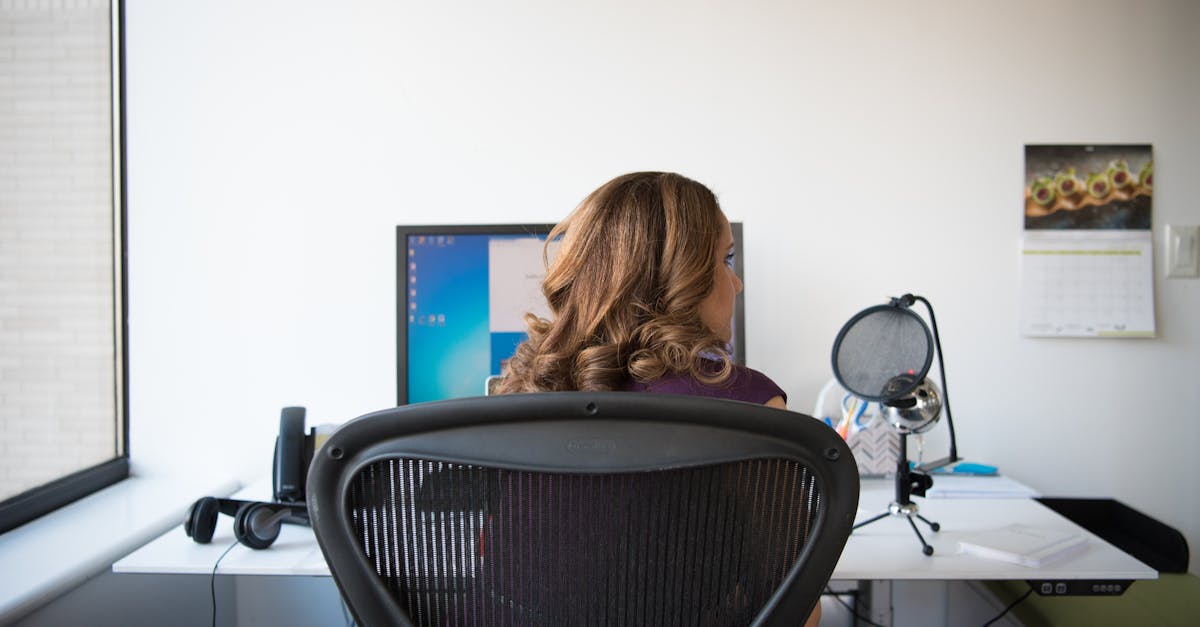 📷 Christina Morillo · Pexels
✦ Key takeaways
- Poor posture is an acquired habit that can be corrected with training and awareness.
- Prolonged hunched sitting strains the neck and back and weakens core muscles.
- Adjusting screen and chair height and frequent movement are the basis of improvement.
- Strengthening back and core muscles holds your body in a healthy position automatically.
Look around any office or café, and you'll find the same scene: heads bent toward phones, shoulders rounded, backs curved before screens. Poor posture has become a hallmark of our era, and its effects aren't just cosmetic but neck and back pain, headaches, and fatigue. The good news is that posture is an acquired habit, and as long as it's a habit, it can be retrained. Here are practical steps to start today.
First: understand what good posture is
Good posture isn't standing stiff like a soldier, but a natural, comfortable alignment of the body: the head over the shoulders rather than jutting forward, shoulders relaxed slightly back rather than rounded, the back keeping its natural curves, and weight balanced. The idea is for your bones and muscles to support your body with the least strain, instead of loading your joints with constant pressure in a wrong position.
🔥 Calorie Calculator
Find your daily calorie needs and goal calories — free & instant.
Set up your environment (half the battle)
Much poor posture comes from a bad workspace setup. Adjust these: put the top of the screen at eye level so you don't bend your neck; sit so your feet are flat on the floor and knees at a right angle; support your lower back with the chair or a small cushion; and keep your phone raised to eye level instead of bending your head to it for hours. These simple tweaks prevent half the problem before it happens.
Move and strengthen your muscles
There's no perfect position you can hold for hours; movement itself is the solution. Stand and walk a little every 30–45 minutes, and stretch your shoulders and neck. Most important long term: strengthen your back and core muscles with light regular exercises, as these muscles are the 'support' that holds your body upright automatically without thinking. A strong body stands straight on its own.
Your sleeping posture matters too
We spend about a third of our lives asleep, yet we rarely think about how our bodies are arranged during those long hours. The truth is that sleeping in a bad position night after night can leave your neck and back tense even after you wake. Try to keep your spine in a natural alignment: if you sleep on your back, a moderately high pillow supports your neck without lifting your head too much; if on your side, a pillow between your knees eases your lower back and prevents it from twisting. Sleeping on your stomach forces your neck to turn for hours and is among the harshest positions for your vertebrae. Choose a mattress that supports your body rather than swallowing it, and your mornings will feel lighter.
Standing and walking: posture all day long
Posture isn't confined to the office chair; you carry your body standing and walking throughout the day too. When you stand, spread your weight across both feet rather than one, keep your knees slightly soft rather than locked, and let your shoulders relax back with your head balanced over your torso, not thrust ahead of it. When you walk, look forward instead of at your feet, let your arms swing naturally, and land on your heel then roll onto the ball of your foot. Imagine a gentle thread pulling your head upward, lengthening your frame without stiffness. These small details, repeated thousands of times a day, make a real difference to your back's comfort over the long run.
Tech neck: the silent enemy of our age
Let me tell you a fact that may surprise you: the more you tilt your head forward to look at your phone, the more you multiply the load on your neck compared with holding it upright. The human head is heavy, and every degree of bend forces your neck and upper-back muscles to work far harder to carry it. Doctors call this 'tech neck,' and it's a common source of neck pain and headaches in the screen age. The fix is simple but needs constant awareness: raise your phone to eye level instead of bending your head toward it, and take short breaks to lift your gaze and gently move your neck. Your body was never designed to spend its hours hunched over a small screen in your hands.
Gentle exercises that support your back
Awareness alone isn't enough; weak muscles can't hold your body in a sound position no matter how you try. Happily, light regular exercises are enough to strengthen your body's natural supports. Try gently drawing your chin back as if making a 'double chin' to strengthen the deep neck muscles; squeeze your shoulder blades toward each other as if holding a pencil between them to open a collapsed chest; and stand with your back to a wall, sliding your arms up and down like angel wings. Add exercises that strengthen your core muscles, which brace your spine like a natural belt. You need no gym and no equipment, just a few daily minutes of gentle consistency that give you a stronger back which stands straight on its own.
Posture, breathing, and confidence
You may not imagine that the way you sit reaches beyond your back to your breath and your mood. When you slump and round forward, you press on your chest, narrow your lungs' room, and your breathing grows shallower, which can deepen feelings of fatigue and tension. But when you gently open your chest and straighten, you breathe deeper, more oxygen reaches your brain, and you feel more alert and present. Psychological studies even suggest that an upright stance can lift your sense of confidence and calm, while collapsing hints at withdrawal. Imagine that correcting your posture isn't just care for your back, but a gentle message you send your mind: 'I am here, upright, and ready.' Body and mind speak one language, and you are the one who starts the conversation.
Some common questions
Can poor posture be fixed? Yes; posture is an acquired habit that improves with environment adjustment, movement, muscle strengthening, and ongoing awareness.
What's the correct screen height? The top of the screen at about eye level, keeping your neck straight without bending up or down.
Is a posture-correcting brace enough? It may remind you temporarily, but it doesn't build muscle; the lasting solution is core strengthening, movement, and awareness, not reliance on a brace.
How often should I stand up from sitting? Every 30–45 minutes stand and move a little; frequent movement matters more than any perfect fixed position.
Train your posture awareness
Real correction starts with attention. Set a simple reminder (a note on your desk or a gentle alarm) asking 'how is my posture now?', and gently reset yourself. With repetition, correct posture shifts from conscious effort to an automatic habit. Remember: you don't need perfection, just gradual improvement. And if a posture-related pain persists, consult a specialist. This article is general awareness.
🛒 Selected health picks on AliExpress




Affiliate links — small commission possible, no extra cost.