What Causes Knee Pain? Understanding the Common Sources
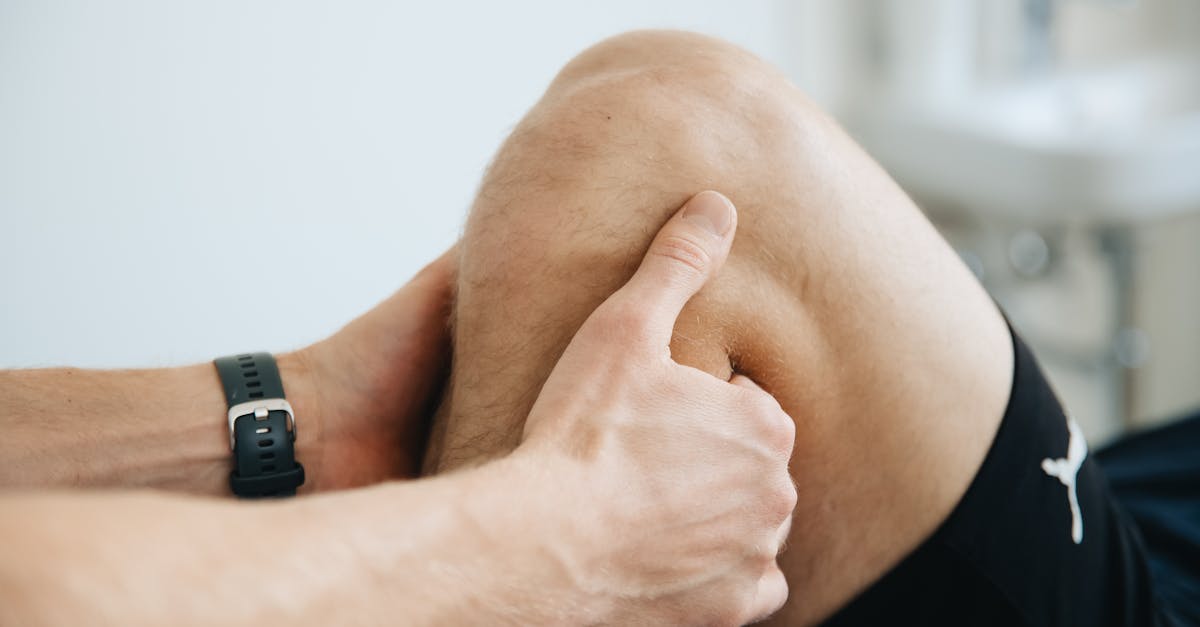 📷 Funkcinės Terapijos Centras · Pexels
✦ Key takeaways
- The knee is a complex, weight-bearing joint, so it is affected by overuse, wear, injury, and body weight.
- The nature and timing of the pain help guess the cause: pain after long activity differs from stiff morning pain.
- Strengthening the thigh muscles and keeping a healthy weight are among the strongest long-term protections.
- Relative rest, cooling, and elevation help minor flare-ups, but gentle movement still matters.
- A locking joint, sudden giving way, or a hot red swollen joint are signs that need medical review.
The knee is one of the body's most pain-prone joints, and that is no accident. It is a large, complex joint that brings together three bones, strong ligaments, shock-absorbing cartilage, tendons, and muscles, and it carries most of the body's weight with every step, jump, and flight of stairs. This complexity makes it vulnerable to different kinds of pain, each with its own story.
The good news is that many common knee pains can be understood and cared for at home when they are minor. The key is listening to the nature of the pain: When does it appear? Where is it? Is it joined by swelling, a noise, or a sense of instability? These details sketch a rough picture of the cause.
🔥 Calorie Calculator
Find your daily calorie needs and goal calories — free & instant.
Common Causes of Knee Pain
Overuse is among the most widespread causes, especially for those who suddenly increase activity or repeat a single motion such as running or climbing stairs. A tendon becomes inflamed or the tissue around the kneecap gets irritated, producing front-of-knee pain that worsens with activity and eases with rest.
Wear and osteoarthritis are common with age, as the cartilage capping the ends of the bones gradually thins. It shows up as morning stiffness and pain that grows when the joint is loaded, sometimes with a clicking or grinding sound.
Direct injuries are another major source, such as a sprained ligament or a torn meniscus from a sudden twist, fall, or forceful sports move. The pain is often sharp at the moment of injury and may bring rapid swelling or a feeling that the joint is unstable.
Extra weight multiplies the load on the knees; each additional kilogram translates into several times more pressure while walking and running, speeding wear and increasing pain. Finally, there are inflammatory causes or those linked to general joint disease that call for a medical assessment.
Table: Linking Cause to Feeling
This rough table helps show how the pain feels differently depending on the cause, with the reminder that it is a general guide, not a diagnosis:
| Likely cause | Typical feel |
|---|---|
| Overuse | Front-of-knee pain around the kneecap, worse with activity and stairs, eases with rest |
| Wear / arthritis | Morning stiffness and deep pain that grows with load, sometimes clicking |
| Ligament or meniscus injury | Sudden sharp pain with swelling and a sense of instability |
| Extra weight | Diffuse pain that worsens with prolonged standing and walking |
| Inflammatory cause | Swelling, warmth, and redness that may affect more than one joint |
Home Care for Minor Flare-Ups
For mild episodes without serious warning signs, simple, well-known principles help. Start with relative rest that eases the activities triggering the pain without stopping movement entirely, since total stillness weakens muscles and delays recovery. Apply cold with a cloth-wrapped cold pack for a few minutes several times a day to reduce swelling in the early days.
Elevate the leg on a cushion when sitting or lying down to lessen swelling, and avoid prolonged standing or sitting with the knee bent for long stretches. Gentle movement within comfortable limits, such as short walks or simple range-of-motion exercises, keeps the joint flexible and nourishes the cartilage.
Prevention Through Strengthening
The strongest long-term investment in a healthy knee is strengthening the muscles around it, especially the front and back thigh muscles and the hip muscles. Strong muscles act as supportive cushions that absorb part of the load and shift it away from the joint itself. Choose joint-friendly exercises such as straight-leg raises, water exercises, and stationary cycling with moderate resistance.
Keep a healthy weight too, since even a modest loss lifts a large burden off the knees. Warm up before exercise and cool down after, increase activity gradually rather than abruptly, and choose supportive, suitable footwear. Regular stretching of the front and back thigh muscles reduces the tension that adds pressure to the kneecap.
When to See a Doctor
Some signs go beyond home care and call for a medical assessment. Seek care if the knee suddenly "locks" and is hard to straighten, gives way and buckles under you while walking, or if you cannot bear weight on it after an injury.
Likewise, severe and sudden swelling, a hot, red, painful joint with fever (which may point to inflammation or infection), a visible deformity in the knee's shape, or severe pain that does not improve with rest and care over a few days are all reasons to see a specialist. Chronic pain that disrupts your sleep or daily walking deserves assessment too, to identify the cause and set a suitable plan.
Summary
Knee pain is not a single diagnosis but a family of causes. Listening to the nature and timing of the pain brings you closer to understanding it, and gentle home care with strengthening and a healthy weight protects your joint long term. When red flags appear, an early medical assessment spares you later complications.
This information is general education and does not replace advice from a specialist, especially with severe, persistent, or injury-related pain. An accurate diagnosis needs a clinical exam and sometimes imaging.
Sources
🛒 Selected health picks on AliExpress




Affiliate links — small commission possible, no extra cost.