How to Strengthen Your Bones and Guard Against Osteoporosis
 📷 dada _design · Pexels
✦ Key takeaways
- Bone is living tissue, constantly built and broken down, and you can tip that balance in your favor.
- Weight-bearing and resistance exercise signal bones to grow denser and stronger.
- Calcium, vitamin D and protein are foundational nutrients for healthy bones.
- Ask your doctor about a density scan if you are older or have risk factors for osteoporosis.
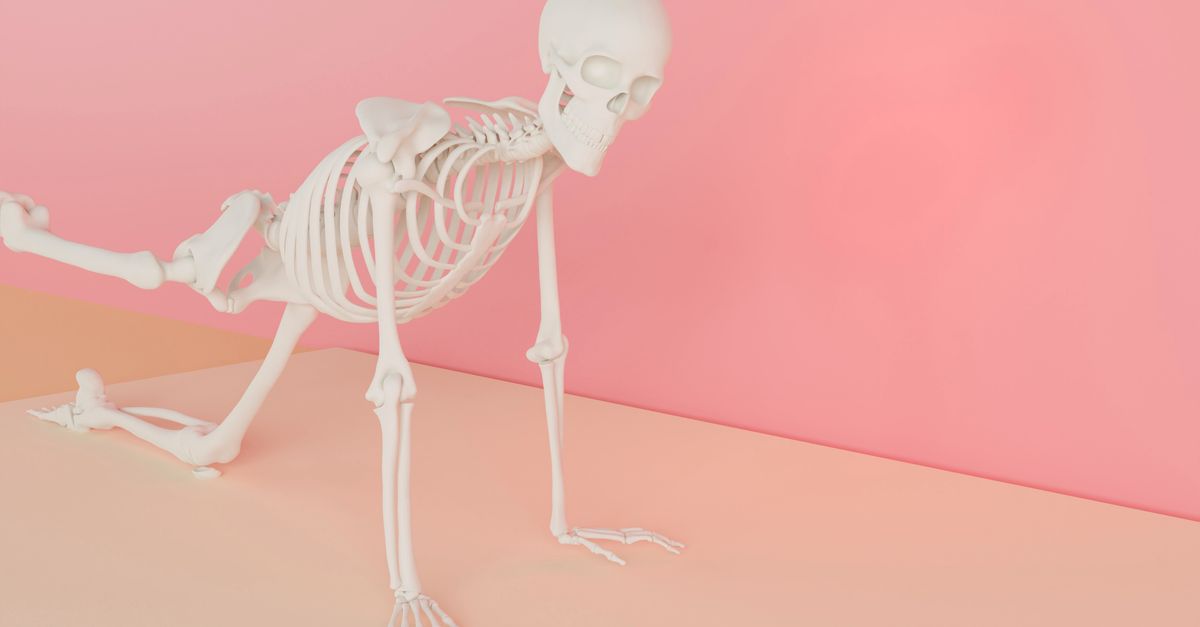
We tend to picture bones as a rigid frame, a solid scaffold as unchanging as the beams of a building. The reality is more thrilling: your bones are living tissue, humming with activity, tearing themselves down and rebuilding all through your life. Right now, as you read, specialized cells are removing old bone while others lay new bone in its place. This constant renewal is exactly what gives you a chance to strengthen your bones.
In youth the scale tips toward building, and bone density climbs until it peaks in the mid-twenties or so. After that a delicate balance begins, and the scale can slowly tilt toward loss with age. But the good news is that you hold real tools that shape this equation at any age — it is not left to luck alone.
🔥 Calorie Calculator
Find your daily calorie needs and goal calories — free & instant.
The beautiful thing about the story of bone is that it is not a fixed fate. It is true that heredity and age sketch the broad outlines, but your daily decisions fill in the picture. What you eat, how much you move, and how you live are all signals you send to your bone cells every single day. This means that guarding against osteoporosis is not a project that begins in old age, but a long-term investment that pays off the earlier you start — and stays useful whatever your age is now.
Why bones weaken
Osteoporosis is a condition in which bones become less dense and more porous, losing their strength and becoming prone to fracture even from a minor fall. It is sometimes called the 'silent disease' because it advances without pain or symptoms, and a person may not discover it until the first break. That silence is what makes early prevention so important.
Several factors play a role. Age is a natural one, and so is heredity. In women, the drop in estrogen after menopause speeds bone loss. Risk rises with physical inactivity, poor nutrition, smoking, excess alcohol, and certain medicines and medical conditions. Knowing your risk factors helps you act early.
The movement that builds bone
Bones respond to what we ask of them. When they bear weight or resistance, they receive a signal that they need to be stronger, and they recruit cells to raise their density. That is why the best exercise for bone is 'weight-bearing' — the kind you do on your feet against gravity: brisk walking, jogging, stair climbing, and dancing.
Just as important is resistance training — lifting light weights, using resistance bands, or bodyweight moves like squats. When muscle pulls on bone, it stimulates growth. Add balance work too, such as standing on one leg or yoga; it does not strengthen bone directly but reduces the risk of falls, the immediate cause of the most serious fractures. Consistency is the key; a few sustained sessions a week beat a short burst of enthusiasm.
The food your bones need
Calcium is the basic building block of bone structure, found in dairy products, dark leafy greens, sardines with their bones, fortified foods, and some legumes and nuts. Getting it from food is generally better than relying on supplements alone.
But calcium does not work alone. Vitamin D is the partner that lets your body absorb and use calcium, and its main source is moderate sunlight, plus foods like oily fish, eggs and fortified products. Many people are deficient without realizing it. Do not forget protein, which forms a large part of bone tissue, and elements like magnesium and vitamin K contribute to bone health. If you worry about a deficiency, ask your doctor before taking supplements, since too much can do harm.
Habits that protect your bones
Some habits quietly steal from your bones. Smoking hampers the bone-building cells and speeds loss, and quitting helps your bones as it helps your heart. Excess alcohol harms bone and raises the risk of falls. Even very high salt and caffeine intake can have a negative effect if paired with low calcium.
On the positive side, keep a healthy weight; being severely underweight weakens bone, while balanced nutrition supports it. Arrange your home to reduce fall hazards: good lighting, secured rugs, and comfortable shoes. These small details protect what you have built with effort, especially as you age.
When to consult a doctor
It is wise to discuss bone health with your doctor if you are older, a woman past menopause, have a family history of osteoporosis, have broken a bone from a minor injury, or take medicines known to affect bone such as long-term corticosteroids. Your doctor may then recommend a bone density scan, a simple and quick test.
Do not start high-dose supplements on your own or rely on self-diagnosis; the right plan differs from person to person, and your doctor is the one to balance your needs against your health. This article is general education and is not a substitute for consulting a professional who can design a program that fits you.
Bones across the stages of life
Every stage of life plays its part in the story of your bones. Childhood and adolescence are a golden window for building the highest possible density, since most of your bone bank is built before the end of the second decade of life; that is why children's good nutrition and physical activity are a lifelong investment. In young adulthood and midlife the goal is to preserve what was built and slow any loss.
With age, and especially for women after menopause, the balance tips toward loss, so physical activity, good nutrition and fall prevention matter more than ever. The reassuring message here is that it is never too late; bone responds to movement and nutrition at every stage, and even a late start slows loss and strengthens balance.
Building a simple routine for stronger bones
You do not need a complicated program. Start by weaving weight-bearing movement into your day: walk briskly on most days of the week, and take the stairs instead of the elevator when you can. Add two or three resistance sessions a week, even using your own body weight at first, with safe, gradual progression. Finish with short balance drills to protect yourself from falls.
Make nutrition part of the routine rather than a separate chore: include a source of calcium in your daily meals, get regular moderate sunlight, and include enough protein. And remember that consistency matters more than perfection; the small habits you keep for years build far stronger bones than a short burst of enthusiasm that quickly fades. Bones are built with patience, exactly as good habits are.
Sources
National Institutes of Health — Osteoporosis and Bone Health (NIH). Mayo Clinic — Bone health and Osteoporosis. NHS — Osteoporosis. International Osteoporosis Foundation.
🛒 Selected health picks on AliExpress


Affiliate links — small commission possible, no extra cost.