What Causes Kidney Stones? And Why Hot Climates Make Them More Common
 📷 Kampus Production · Pexels
✦ Key takeaways
- A stone forms when urine gets concentrated, so minerals settle out and clump together — dehydration is the main driver.
- Over 80% of stones are calcium oxalate, and each type has a different cause and prevention.
- Extreme heat in Egypt and the Gulf raises risk because sweating shrinks urine volume and concentrates it.
- The strongest evidence-based prevention: enough water daily until your urine is pale like diluted lemon.
- Sharp flank pain with blood in the urine or fever needs a doctor right away.
Let me describe a scene you may recognize. A man in his forties wakes before dawn to a sharp pain low in his back — pain that comes in waves and eases in no position. He assumes it's a pulled muscle, but it is actually a stone the size of a grain of sand beginning its journey down the ureter. The strange part is that the stone did not form that night; it took months of silent building. Understanding how it formed is the key to making sure it never comes back.
The core idea I want you to leave with is simple: a kidney stone is not random — it is chemistry. Your urine is not pure water but a solution carrying calcium, oxalate, uric acid and other salts. As long as the urine stays dilute enough, these stay dissolved and leave safely. But when urine becomes concentrated — because you don't drink enough, or you lose too much water as sweat — those salts reach saturation and start to crystallize. One crystal sticks to another, then another, until a stone forms. Picture a cup of tea in which you dissolved many spoons of sugar: while hot the sugar stays dissolved, but it settles at the bottom once it cools and saturates. Your kidney works on the same logic.
🔥 Calorie Calculator
Find your daily calorie needs and goal calories — free & instant.
Not all stones are the same
Before we talk prevention, it helps to know that stones come in types, and each has a completely different story. When a doctor analyzes a stone you passed, it's not out of curiosity — the type dictates the prevention plan. This table sums up the four main kinds:
| Stone type | Rough share | Main driver | Most at risk |
|---|---|---|---|
| Calcium oxalate | 70–80% | Dehydration + high oxalate, low fluids | Most people, especially in hot climates |
| Uric acid | 8–10% | Very acidic urine + heavy meat intake | Gout, obesity and diabetes patients |
| Struvite | 5–10% | Recurrent urinary infections | More in women, after chronic infection |
| Cystine | 1–2% | A rare inherited disorder | Often appears from childhood |
Notice that the first type alone is the vast majority, and it's the one most tied to something you control: how much water you drink. That's good news, because it means most stones are preventable with a change of habits rather than a complicated drug.
Why are stones so common in Egypt and the Gulf?
Here is a point you rarely find in global articles, because they were written for temperate climates. In our region, where temperatures pass 40°C for long months, stones shift from a passing possibility to a genuine seasonal risk. The reason is direct: when you sweat heavily under the sun or in fieldwork, your body loses water that should have gone into your urine. Urine volume drops and concentration rises, and the odds of crystallization climb. Medical geography describes a so-called "stone belt" — the hot regions with the highest incidence worldwide — and the Eastern Mediterranean and the Gulf sit right inside it.
Add to the heat a common local habit: postponing water until you are very thirsty. Thirst is a late signal; by the time you feel it, your body has already begun to ration water. Those who fast for long summer hours, or work as drivers or laborers with little access to a restroom, unconsciously drink less — the worst thing they could do for their kidneys.
Myth and fact
Many folk beliefs surround stones, and some are harmful. Let's correct three quickly. Myth one: "Dietary calcium causes stones, so I'll avoid dairy." The truth is the opposite; calcium in your meals binds oxalate in the gut and blocks its absorption, so cutting it too far may raise risk rather than lower it. The problem lies in unnecessary high-dose calcium supplements, not a glass of milk. Myth two: "Stones always need surgery." In fact most small stones (under 5 mm) pass on their own with water, patience and a suitable painkiller. Myth three: "No pain means I'm fine." Some stones grow silently in the kidney with no pain until they move, so prevention shouldn't wait for symptoms.
What actually prevents them?
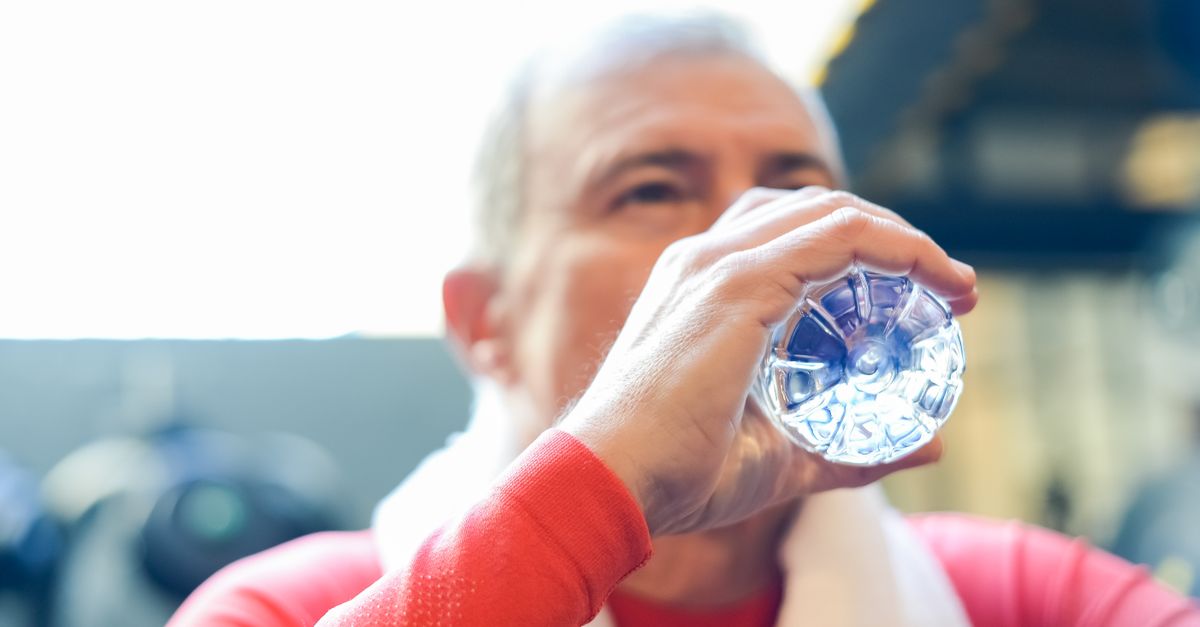
If you keep one rule, keep this: make your urine pale. Urine color is a free, accurate gauge of hydration; the closer it is to pale yellow like diluted lemon, the more dilute and safe it is, and the closer to dark amber, the louder the alarm that you need water now. In practice this usually means two to three liters of fluid a day for most adults, and more on hot or active days. Spread your drinking across the day rather than large amounts at once, and carry a water bottle as a visual reminder.
After water come the diet details. Cut salt, since excess sodium pushes calcium into the urine and raises risk. Go easy on animal protein, especially red meat, as it acidifies urine and sets the stage for uric-acid stones. If you love oxalate-rich foods (spinach, nuts, strong black tea, chocolate), you needn't ban them — eat them alongside a calcium source in the same meal to neutralize them, with plenty of water. Lemon juice has a real edge: the citrate it contains inhibits calcium crystal formation, which is why many stone patients are advised to add the juice of a lemon to their water daily.
The stone's journey: from forming to passing
It may help to know what actually happens when a stone moves, because it dispels much of the fear. The stone starts small in the kidney and may sit there for years without symptoms. Trouble begins when it descends into the ureter, the thin tube linking kidney to bladder. The ureter is narrow, so when the stone lodges there it contracts to push it, and these contractions are the source of the agonizing pain that comes in waves. Size is the decisive factor here: stones smaller than four or five millimeters usually pass on their own over days to weeks with water and patience, while larger ones may need shockwave lithotripsy or a scope. That's why when a doctor asks you to strain your urine, it's not excessive; catching and analyzing the stone is what pins down its type and your future prevention plan precisely.
When should you see a doctor?
Prevention is one thing; handling an active attack is another. Seek care without delay if flank pain comes with any of these: visible blood in the urine; fever and chills (which may mean an infection above the stone — an emergency); vomiting that stops you drinking; unbearable pain that a usual painkiller won't ease; or a halt in urination. These are not situations to manage at home or with a neighbor's recipe; they need assessment, imaging and perhaps a minor procedure. And even if the stone passes on its own, it's wise to see a doctor afterward to analyze its type and build a plan against recurrence — because whoever has had one stone carries higher odds of another within years.
In the end, remember that your kidneys work quietly and faithfully all day, and all they ask in return is simple: enough water, less salt, and attention to a small color in a bottle. These little habits, repeated day after day in our hot climate, are the difference between a quiet night and a night in the emergency room.
Disclaimer: This article is for general education and does not replace advice from a qualified doctor. If you have kidney disease or recurrent stones, discuss any change to your diet or fluid intake with your physician.
Sources
🛒 Selected health picks on AliExpress




Affiliate links — small commission possible, no extra cost.