How Much Water Should You Really Drink a Day? The Truth Behind the 8-Glasses Rule
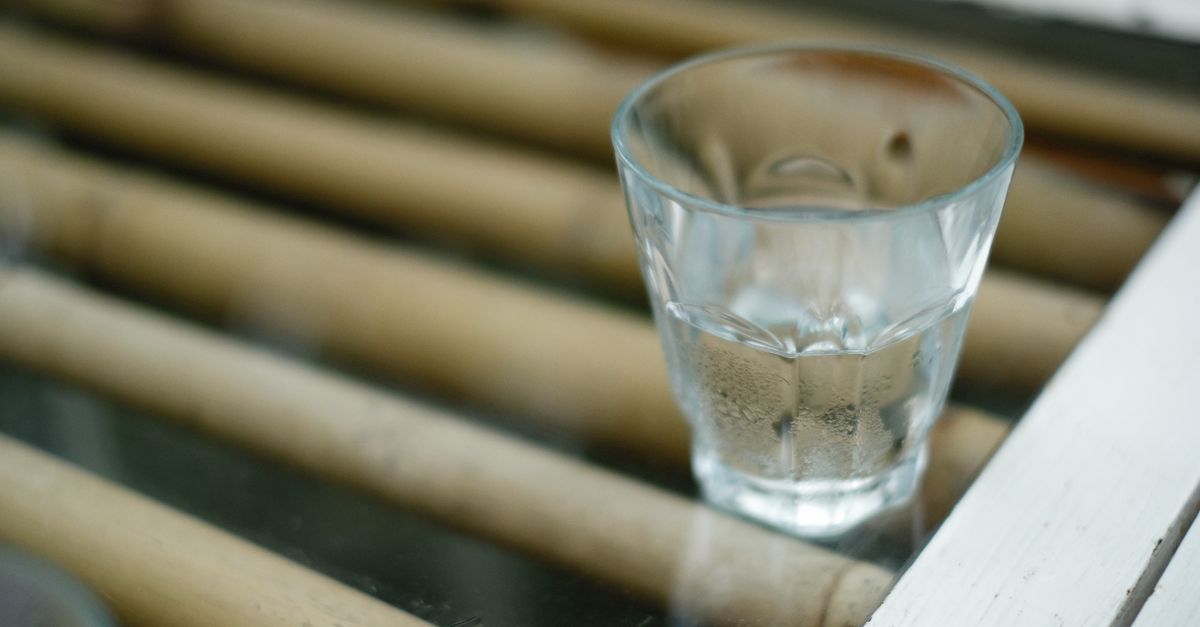 📷 Alexey Demidov · Pexels
✦ Key takeaways
- There is no single number for everyone; your need depends on weight, activity, weather and food.
- About 20% of your water comes from food, so not all of it must be drunk.
- Urine colour is a simple practical cue: pale yellow is good, dark means drink more.
- Overhydration is rare but possible and dangerous; moderation is the rule.
Let me start with a small confession: for years I carried a water bottle like a talisman, convinced I had to empty it eight times a day or I was failing my body. Then I learned that the famous number — eight glasses of about 240 ml each — rests less on any decisive study than on long repetition that made it feel like settled fact. The truth is more liberating and more sensible: your water need is not a fixed figure imposed by a rule, but the result of a small equation that shifts with your day.
Where did 'eight glasses' come from?
Part of the story traces to an old recommendation from the 1940s suggesting an adult needs about 2.5 litres of water a day. But the next sentence — often forgotten — clarified that most of that is already present in the food we eat. Over time the second condition slipped from collective memory, and the number travelled alone from one piece of advice to another until it became a rule people repeat with confidence. This isn't a call to neglect water, but to understand it rather than memorise it as a rigid recipe.
🔥 Calorie Calculator
Find your daily calorie needs and goal calories — free & instant.
The real equation: what sets your need?
Your body loses water constantly through breathing, sweat and urine, and when temperature or movement rise, that loss accelerates. So the right figure for an office worker in a mild city differs sharply from that of a labourer under a Gulf August sun, or an athlete training for an hour. Add that about a fifth of your fluid comes from food — cucumber, watermelon, soup, fruit — and you see that a glass of water is not the only source of hydration.
The table below gives a rough, practical estimate of total daily fluids (from drink and food together) by situation — not a precise prescription:
| Situation | Rough total daily fluids | Practical note |
|---|---|---|
| Sedentary adult, mild weather | 2 – 2.5 L | Mostly water plus some drinks and food |
| Light daily activity | 2.5 – 3 L | Add a cup per half hour of activity |
| Intense heat or outdoor work | 3 – 4 L or more | Watch sweat; drink before you're thirsty |
| Intense exercise | +0.5 – 1 L above usual | Replace losses gradually after |
| Breastfeeding | about +0.7 L | Nursing mothers need a clear increase |
Note these are totals for fluids, not for a glass of water alone. If your diet is rich in vegetables, fruit and soups, your direct drinking share naturally falls, and the opposite holds on a day of dry, salty meals.
The simplest gauge you own: urine colour
Instead of carrying a calculator, let your body tell you. The clearest, most practical cue is urine colour: pale yellow leaning toward clear usually means you're well hydrated, while dark amber is an early hint you need more. A repeatedly dry mouth, a mild headache after a hot afternoon, and unexplained sluggishness are gentle signals the body sends before true dehydration. Learning to read them is more useful than any number you memorise.
And overhydration? Yes, water has an upper limit
In a culture that worships 'more is better', it's easy to miss that drinking huge amounts of water in a short time can dangerously dilute blood sodium — a rare but real condition known as water intoxication, seen in some endurance athletes who overdrink. The message isn't fear of water, but recognising that the body thrives on moderation, not excess. Drink when thirsty, increase mindfully in heat or effort, and don't drown yourself chasing an imagined figure.
Practical advice that stays with you
Rather than chasing eight glasses, build simple habits: a glass on waking to offset sleep hours, one with each meal, and a bottle beside you on hot days or during exercise. Keep water within reach and you'll drink more automatically. If you love flavour, a slice of lemon or mint makes the habit pleasant without added sugar. The golden rule is to listen to your body, not to deafen it with a generic number.
When is it worth seeing a doctor?
Most people regulate hydration automatically through thirst. But some cases warrant a professional rather than a general rule: persistent, unquenchable thirst; unusually frequent, heavy urination; clear dizziness and fatigue with dryness; or if you have a heart or kidney condition or take medicines affecting fluid balance. Here your right amount may differ from the average, and only a doctor can set it precisely. This article is general information and does not replace advice for your specific situation.
Questions you might have
Do coffee and tea cause dehydration? Moderate amounts add fluid despite a mild diuretic effect; a cup or two won't dry you out as the myth claims.
Should I drink before I'm thirsty? On hot days or during long effort, yes, since thirst can lag slightly behind need; on an ordinary day, thirst is a good enough guide.
Is cold water better than warm? No meaningful difference in hydration; drink what you prefer so you drink more consistently.
Sources
🛒 Selected health picks on AliExpress



Affiliate links — small commission possible, no extra cost.