How to Get Rid of Bloating Fast: Practical Fixes and Recurring Causes
 📷 Towfiqu barbhuiya · Pexels
✦ Key takeaways
- Most bloating comes from swallowed air, gas, and slow digestion after big meals.
- A walk after eating, warm water, and peppermint or anise ease it quickly.
- Eating slowly and cutting fizzy drinks and artificial sweeteners reduces episodes.
- Persistent bloating with weight loss, blood, or severe pain needs a doctor.
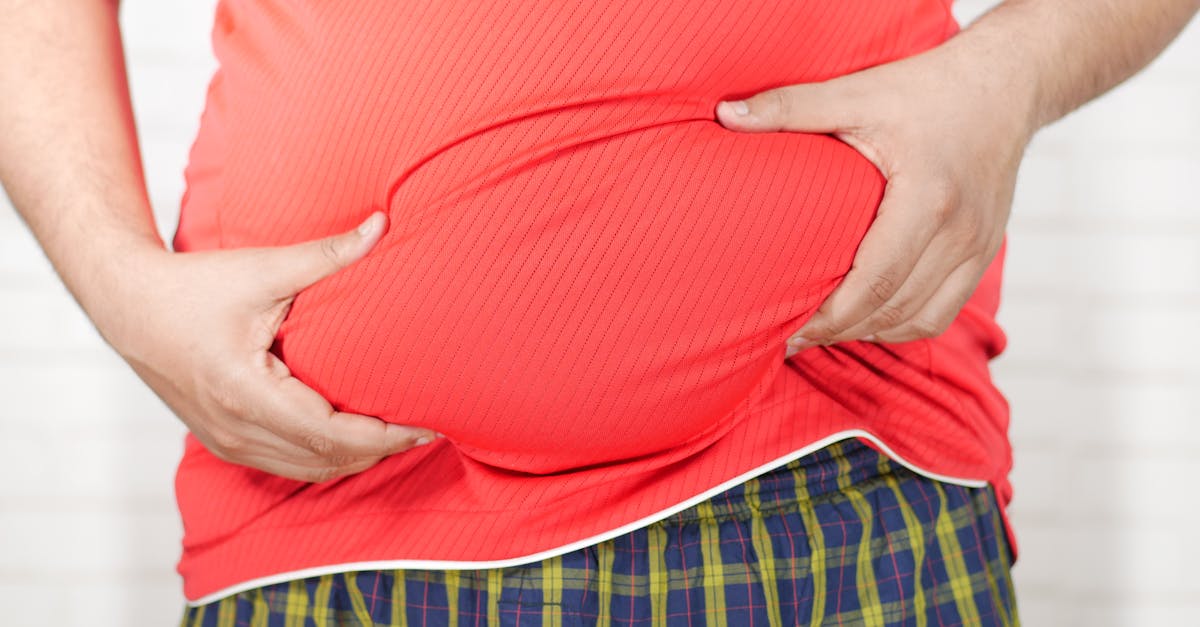
Bloating is among the most common everyday complaints: a full, tight belly, sometimes with a gurgle, and a heaviness that spoils the comfort you were looking forward to after a meal. The good news is that most bloating is not serious and responds to simple steps, so you learn both how to ease the current episode and how to make it happen less often.
At its core, bloating is a buildup of gas, fluid, or pressure in the digestive tract, or simply a sensation of fullness from a sensitive gut. Gas comes from two sources: air we swallow while eating and drinking, and gas produced by colon bacteria as they ferment undigested food.
🔥 Calorie Calculator
Find your daily calorie needs and goal calories — free & instant.
Immediate ways to ease it
The simplest thing that helps right now is movement. A ten to fifteen minute walk after a meal stimulates the gut and helps gas move along and out instead of getting trapped and building pressure. Sitting for a long time after eating does the opposite.
A cup of warm water loosens things, and some herbal drinks have a known soothing effect: peppermint relaxes gut muscle, while anise, caraway, and fennel help expel gas. Avoid fizzy drinks in this moment because they add fresh gas.
If the bloating comes with cramping, a warm compress on the belly and slow breathing relax the muscles. Avoid lying flat straight away; a semi-upright position is better for gas to pass.
Habits that make the difference
A lot of bloating starts with how you eat. Eating fast while talking or looking at your phone makes you swallow a lot of air. Chew slowly, keep your mouth closed while chewing, and have smaller, more frequent meals instead of one huge meal that burdens the stomach all at once.
Chewing gum, drinking through a straw, and gulping air when stressed all bring in extra air. Artificial sweeteners in gum and sugar-free sweets (such as sorbitol) also cause bloating because they are poorly digested and ferment in the colon.
Some healthy foods are naturally gas-producing: beans, onions, garlic, cabbage, cauliflower, and apples. This is not a reason to drop them, but to introduce them gradually, and to cook beans well and soak them beforehand to reduce their effect. Increase fiber gradually with enough water, or gas will rise temporarily.
When the cause runs deeper
If bloating recurs despite good habits, a specific cause may lie behind it. Lactose intolerance is common: bloating, diarrhea, and gas after milk and its products. Trying reduced dairy or lactose-free alternatives reveals it easily.
Irritable bowel syndrome makes the gut more sensitive, so bloating appears that worsens later in the day and ties to stress and food type. Constipation itself is a frequent cause; backed-up stool traps gas behind it and compounds the feeling of fullness, and treating it eases the bloating directly.
For some people a low-FODMAP eating pattern helps, reducing a group of fermentable sugars, but it is applied under a dietitian's guidance and for a limited time because it is restrictive. Do not adopt a strict long-term diet without advice.
Simple patterns you can spot yourself
A food diary for a week or two reveals a great deal: note what you ate, when the bloating appeared, and its intensity. You will often see certain foods or times recurring before an episode. This observation is more valuable than any ready-made diet because it is tailored to your own body.
Also make sure you get enough sleep and manage stress; the gut is directly affected by emotional state, and many people with chronic bloating notice it improves as sleep improves and pressure drops.
Probiotics and gut balance
The helpful bacteria in the gut play a role in how food ferments and how much gas is produced. Fermented foods such as yogurt, kefir, and natural (not canned) pickles may support the balance of these bacteria in some people and reduce bloating over time. The response varies from person to person, so what soothes one may not help another.
Do not expect an instant result from supplements; gut balance shifts slowly over weeks of steady habits, not with a single dose. Variety in vegetables and whole grains feeds these helpful bacteria more than any expensive supplement.
When bloating is tied to stress
It may surprise you that stress is among the most overlooked causes of bloating. When anxious, digestion slows and many people swallow air unconsciously, so gas builds up and the feeling of fullness grows. That is why some notice their bloating worsens during pressured days, exams, and travel.
Addressing this side is no less important than food: set aside time to eat calmly away from stress, breathe slowly before the meal, and give your body a chance to digest at ease. These small details show up in your belly more than you would expect.
When to see a doctor
Most bloating is passing and not worrying. But see a doctor if the bloating is persistent and does not go away, worsens over time, comes with unexplained weight loss, blood in the stool, a lasting change in bowel habits, severe belly pain, repeated vomiting, difficulty swallowing, or new bloating appearing for the first time in later life.
These symptoms do not necessarily mean a serious illness, but they deserve a checkup for reassurance. This article is for general awareness and does not replace the opinion of a specialist who assesses your case precisely.
Sources
NHS — Bloating. Cleveland Clinic — Bloated Stomach. Mayo Clinic — Gas and gas pains.
🛒 Selected health picks on AliExpress



Affiliate links — small commission possible, no extra cost.