Probiotics vs Prebiotics: The Difference and Your Gut Health
 📷 Los Muertos Crew · Pexels
✦ Key takeaways
- Probiotics are live beneficial bacteria; prebiotics are the fibers those bacteria feed on.
- Both support the microbiome — the community of microbes living in your gut.
- Foods like fermented dairy, vegetables, and whole grains are often a richer source than supplements.
- Supplements aren't necessary for everyone, and some conditions need a doctor's advice first.
You stand at the store shelf and find two words alike to the point of total confusion: probiotics and prebiotics. A single letter almost separates them in speech, yet they are in truth two entirely different things that work together in harmony. Understanding the difference doesn't just help in that puzzled moment at checkout — it opens a clearer, deeper view of an astonishing hidden world living inside your gut at this very moment.
That inner world is called the microbiome: trillions of diverse bacteria and microbes inhabiting your intestines, most of them not harmful but beneficial and even essential to your survival. These organisms help digest the fiber your body can't break down, synthesize certain important vitamins, support the immune system, and protect the gut lining from harmful microbes. The health of this microscopic community has turned out to be tied to your overall health far more than we imagined just a few decades ago.
🔥 Calorie Calculator
Find your daily calorie needs and goal calories — free & instant.
Probiotics: the live beneficial organisms
Probiotics are simply live microorganisms — usually beneficial bacteria, sometimes helpful yeasts — that, when they reach your gut alive and in sufficient numbers, may support the balance of your microbiome. You can picture them as living seeds you add to your gut's garden to increase its diversity. Among the best-known and most studied types are Lactobacillus and Bifidobacterium in their many strains.
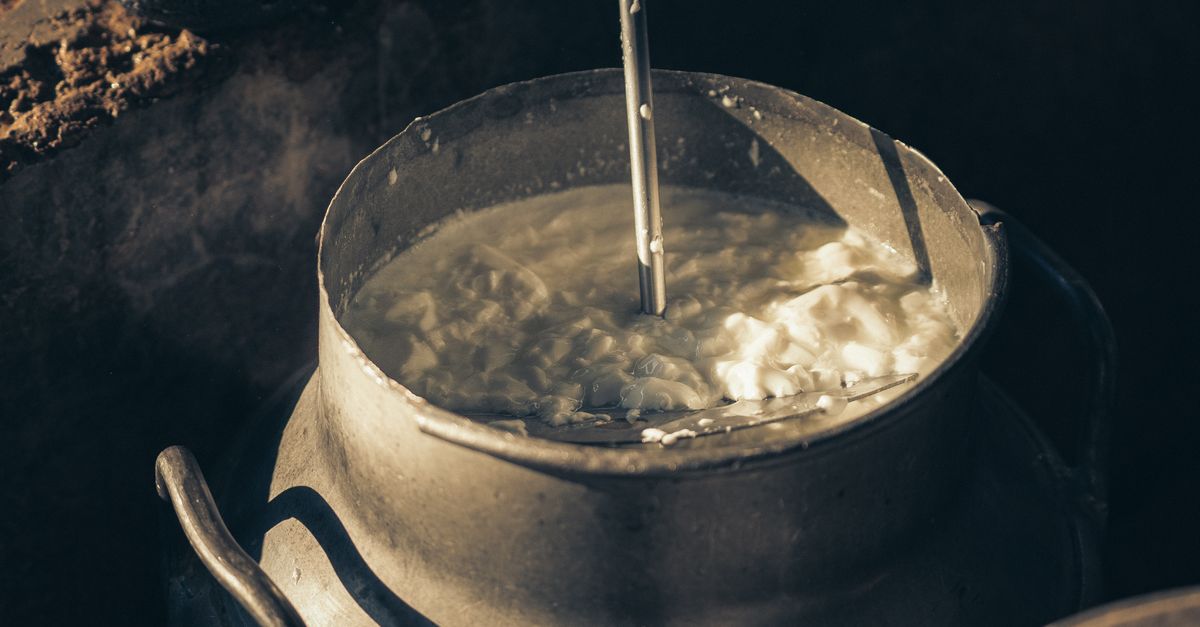
Their richest natural sources by far are traditional fermented foods: yogurt carrying live active cultures, kefir, naturally fermented pickles made without vinegar, Korean kimchi, and Japanese miso. These foods deliver the beneficial bacteria within the context of a whole food rich in other nutrients, which many experts prefer over isolated pills. Supplements exist in pharmacies too, but their quality and the type and count of their strains vary widely from one product to the next.
Prebiotics: the food that feeds the beneficial
Prebiotics, by contrast, are not living at all — they are a special type of fiber that we ourselves cannot digest, but that passes intact into the colon to become a favored food for the beneficial bacteria there. If probiotics are the seeds you plant, prebiotics are the fertile soil and fertilizer that let those seeds grow and flourish. There's little benefit to hope for from live seeds that find nothing to nourish and sustain them.
Fortunately, prebiotics are abundant and plentiful in simple, cheap everyday foods: garlic, onion, leek, slightly underripe banana, oats, legumes, asparagus, apple, and barley. When you eat more vegetables, whole grains, and beans on your plate, you feed your beneficial gut bacteria automatically, with no need to buy any special or expensive product. This is one of the simplest, most effective, and safest ways to support your gut health over the long term.
Do you really need supplements?
The question nearly everyone asks: should I buy the probiotic supplements I see everywhere? The honest, direct answer: not necessarily. For most healthy people, a varied diet rich in fermented foods and fiber provides exactly what they need without any pills. And the scientific evidence for supplement benefits varies greatly by the type of strain and the specific health condition; some strains have shown clear benefit in particular settings such as antibiotic-associated diarrhea, but there is no single magic product that suits everyone and every complaint.
More important than merely adding new bacteria is caring for the microbiome you already have: diversify your plant foods as much as you can, increase fiber gradually, cut back on sugar and ultra-processed foods, sleep well, move regularly, and avoid unnecessary antibiotic use, which kills the beneficial and harmful alike. These factors together shape and feed your microbiome far more than any supplement. And start increasing fiber gradually with enough water to avoid temporary bloating and gas at first.
A balanced, honest view
It's fair to say clearly that microbiome science is still relatively young and fast-moving, and that many marketing claims run well ahead of established scientific evidence. There is, as yet, no single definition of an 'ideal microbiome' that fits everyone, and what helps one person may not help another who differs from them. So treat with caution and healthy skepticism any product promising a comprehensive magic fix for every health problem through the gateway of the gut.
The practical message, in the end, is simple and reassuring: you don't need to spend large sums to take good care of your gut. A daily plate rich in vegetables, whole grains, and legumes, with a little regular fermented food, does a great deal for your digestive health. Supplements are an option that may help in particular cases and on a specialist's advice — not an indispensable daily necessity for everyone.
What are synbiotics, and is every fermented food probiotic?
You may come across a third term in stores, 'synbiotics,' which simply means combining probiotics and prebiotics together in one product — the seeds and the fertilizer in a single package — so that each boosts the other's effect and extends its survival. The idea is logical on paper, but evidence for its practical superiority is still limited, and there's no need to fuss over it or pay extra for it.
Another important point often overlooked: not every fermented or jarred food actually contains live beneficial bacteria. Many pickles on store shelves are made with vinegar and heat rather than natural fermentation, and the heat pasteurization that extends a product's shelf life kills the live organisms in it. So look for the phrase 'live active cultures' on the label if you want a genuine probiotic benefit, and remember that variety in your sources beats relying on a single type.
When to see a doctor
Talk to your doctor or a dietitian before starting probiotic supplements if your immune system is weakened, you're on immune-suppressing treatment, or you have a serious illness or are in critical care — some of these special situations call for strong medical caution, and supplements may not be safe in them without careful supervision.
And also consult a doctor if worrying digestive symptoms persist despite improving your diet — recurring abdominal pain, a lasting change in bowel habits, blood in the stool, unintended weight loss, or constant fatigue — as these are signs that deserve a medical evaluation supplements won't solve and may point to something deeper. Remember this article is for general awareness only; it doesn't diagnose your case and doesn't replace a specialist who knows your full health history and guides you to what suits you specifically.
Sources
Harvard T.H. Chan School of Public Health — The Nutrition Source: Prebiotics and Probiotics; Cleveland Clinic — Prebiotics vs. Probiotics; NIH Office of Dietary Supplements — Probiotics; NHS — Probiotics.
🛒 Selected health picks on AliExpress


Affiliate links — small commission possible, no extra cost.