What Is Serverless Computing? And Why It Doesn't Actually Mean 'No Servers'
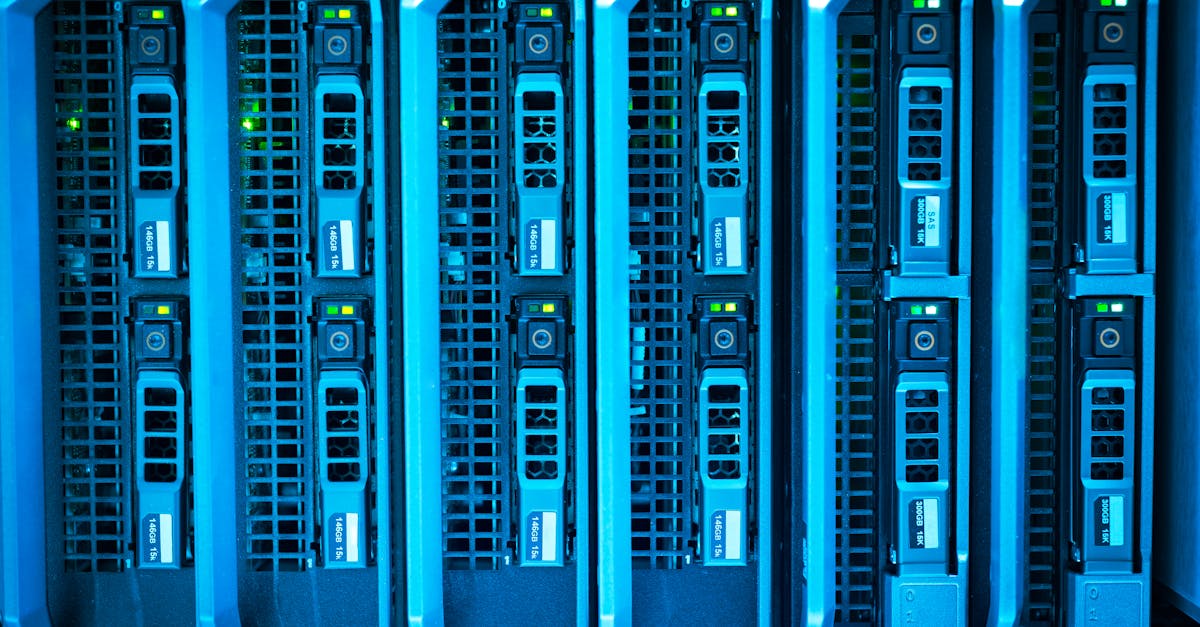 📷 panumas nikhomkhai · Pexels
✦ Key takeaways
- 'Serverless' means the provider fully manages the servers — not that they don't exist.
- You pay only for code execution time, not for a server running 24/7.
- Ideal for spiky workloads; less suited to heavy always-on applications.
- Its most common form is FaaS: you write a function and the provider runs it on demand.
The name 'serverless computing' is a little misleading, because servers definitely exist — your code runs on real servers in a data centre. What it means is that you, the developer, no longer see or manage them at all. You don't buy a server, patch its operating system, or worry about its capacity: the cloud provider handles all of that, and you simply upload your code.
The idea is clearest in the FaaS (Functions as a Service) model, the most common form of serverless. You write a small 'function' that does one specific job — for example: when a new image is uploaded, create a thumbnail of it. You upload this function to the provider, and it stays asleep costing you nothing until the event that wakes it happens. Then the provider runs it, it does its job in a fraction of a second, and it goes back to sleep.
🌐 Download Time
How long any file takes to download at your speed — instantly.
The biggest impact is on the payment model. With a traditional server, you pay a fixed monthly rent whether it's used or not — like a car whose instalments you pay even while it sits in the garage. With serverless you pay only for actual run time, measured in milliseconds. If your code runs for one minute a month, you pay for one minute. This is why serverless is so economical for spiky, unpredictable workloads.
But it isn't the answer to everything. The table shows when it fits and when it doesn't:
| Criterion | Serverless | Traditional server |
|---|---|---|
| Payment model | By run time | Fixed monthly rent |
| Server management | Fully by provider | By you |
| Spiky workloads | Excellent | Costly (you pay for idle) |
| Heavy always-on loads | Can get pricier | Usually cheaper |
| Cold start | Small delay possible | None |
A concrete example: an app that receives thousands of requests at peak hour and almost zero the rest of the day — serverless is ideal because it scales up automatically at peak and costs nothing during quiet times. By contrast, a service running a steady high load 24/7 may be cheaper on a dedicated server. The rule: serverless sells you flexibility and convenience, a traditional server sells you steadiness and control; choose based on the shape of your load.
Sources

Osama AbdelAal is the founder of Marifa, a digital-marketing and entrepreneurship expert and Hootsuite EMEA Ambassador. He oversees and reviews Marifa’s editorial content to ensure it is accurate, clear and genuinely valuable.