How Do Hybrid Cars Work? Two Engines Teaming Up to Save Fuel
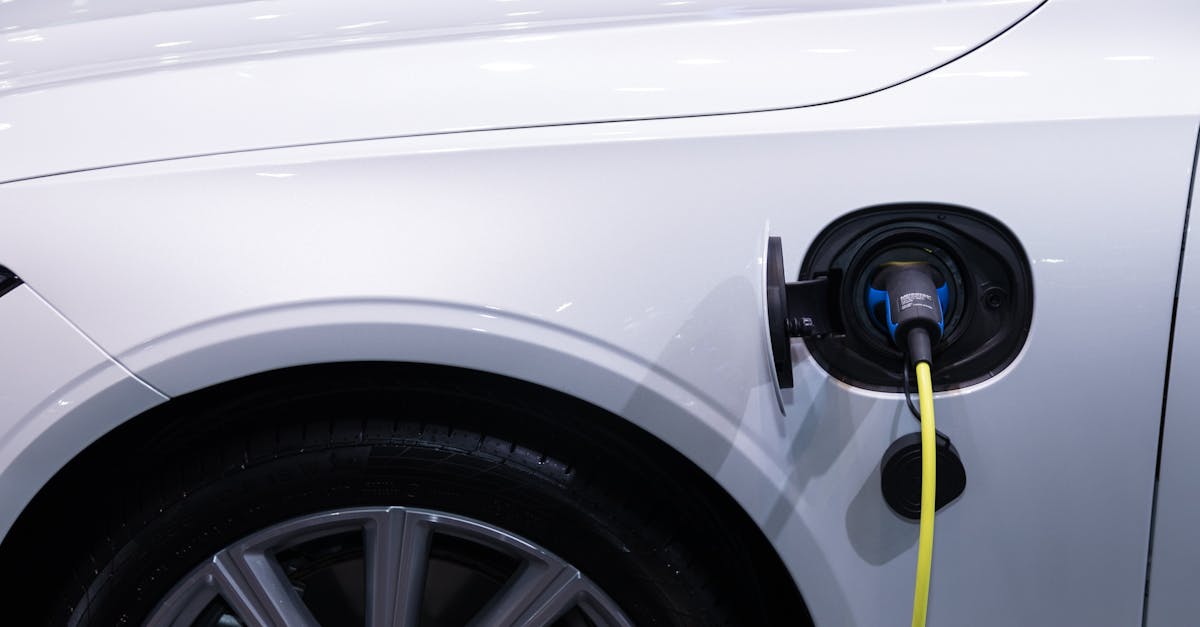 📷 Rathaphon Nanthapreecha · Pexels
✦ Key takeaways
- A hybrid combines a combustion engine, an electric motor, and a battery, switching automatically.
- "Regenerative braking" turns braking energy into electricity that recharges the battery.
- A regular hybrid recharges itself; a plug-in hybrid (PHEV) plugs into the grid.
- The biggest savings come in stop-and-go city traffic, where the electric motor runs most.
Hybrid cars promise what sounds contradictory: the power of a gasoline engine with the economy of an electric motor, without the charging anxiety of a full EV. How do they combine opposites? The secret is smart cooperation between two engines, managed moment by moment by the car's computers to pick whichever is cheaper in each driving situation.
The three components
A conventional hybrid carries: an internal combustion engine (gasoline) as usual, one or more electric motors, and a battery that stores electricity. The power-management computer is the mastermind: it decides when each engine runs, when they run together, and when the battery charges — all automatically, without driver input.
🌐 Download Time
How long any file takes to download at your speed — instantly.
How do the two engines cooperate?
| Driving situation | What happens |
|---|---|
| Starting off and low speeds | Usually the electric motor alone (quiet, no fuel used) |
| Hard acceleration | Both engines together for maximum power |
| Steady highway speed | The gasoline engine, which is most efficient here |
| Braking and stopping | "Regenerative braking" charges the battery; the engine switches off |
Note that last row: it holds the cleverest idea in a hybrid car.
The secret of regenerative braking
In an ordinary car, the motion energy at braking dissipates as heat in the brakes and is wasted. A hybrid flips the electric motor into a generator: it harnesses the braking momentum to produce electricity stored in the battery instead of wasting it. This way the car recharges itself while driving — which is why a regular hybrid never needs to be plugged in at all. The gasoline engine also switches off automatically when stopped (at a traffic light) to save fuel.
Hybrid, plug-in hybrid, or EV?
The confusion is common, and the difference is fundamental: a regular hybrid (HEV) recharges itself and is never plugged in. A plug-in hybrid (PHEV) has a larger battery you plug in to cover a longer electric range, then reverts to gasoline. A full electric (EV) has no gasoline engine at all and relies entirely on charging. A hybrid is the middle ground for those who want savings without changing their refueling habits.
Where does it save the most?
Counter to intuition, a hybrid shines in stop-and-go city traffic, not on the highway: frequent starts and stops keep the electric motor and regenerative braking busy, and that is where the biggest savings appear. Long, steady high-speed driving is dominated by the gasoline engine, so the gap shrinks. That makes hybrids especially suited to residents of congested cities.
The bottom line
A hybrid car is not magic but clever engineering: two engines taking turns by what's best, and a battery charged for free from energy that would have been wasted. The result is lower consumption and lower emissions without charging anxiety. Understanding how it works helps you drive in a way that maximizes its savings.
Is a hybrid worth it in the Gulf and Egypt?
The answer depends on your country — something many articles forget. In the Gulf, where petrol is relatively cheap, fuel savings alone may not quickly justify a hybrid's price premium; but it stays appealing for those who drive a lot in city traffic (Dubai, Riyadh), where hybrids shine, and for those who value resale and the environment. In Egypt, where fuel prices are relatively higher and subsidies are shrinking, the petrol savings are clearer and pay back the premium faster, especially in Cairo's heavy congestion.
A key point for our climate: extreme heat affects hybrid batteries. Modern systems are designed with cooling, but constantly high temperatures can shorten battery life over the long term compared with mild climates — so ask about the battery warranty (many makers offer 8 years or more) before buying, and keep the cooling system serviced. In practice: if most of your driving is city and traffic, a hybrid is a smart choice here; if most is long, steady high-speed highway, the gap shrinks.
Some common questions
Can a hybrid battery handle Gulf heat? Usually yes, since it is actively cooled, but constant heat wears it faster long-term — so a long warranty matters here.
How much does a hybrid really save? In city traffic it may save 30–40% of fuel; on highways far less. Estimate your saving from your own driving pattern, not marketing figures.
Is maintenance expensive? Routine servicing is usually similar to a regular car (and brakes last longer thanks to regenerative braking), but replacing the battery after years is costly — so warranty and a pre-purchase inspection matter.
Frequently asked questions
Can a hybrid battery handle Gulf heat? Usually yes, since it is actively cooled, but constant heat wears it faster long-term — so a long warranty matters here.
How much does a hybrid really save? In city traffic it may save 30–40% of fuel; on highways far less. Estimate your saving from your own driving pattern, not marketing figures.
Is maintenance expensive? Routine servicing is usually similar to a regular car (and brakes last longer thanks to regenerative braking), but replacing the battery after years is costly — so warranty and a pre-purchase inspection matter.
Sources

Osama AbdelAal is the founder of Marifa, a digital-marketing and entrepreneurship expert and Hootsuite EMEA Ambassador. He oversees and reviews Marifa’s editorial content to ensure it is accurate, clear and genuinely valuable.