What Really Causes Acne — and Why Some Treatments Fail
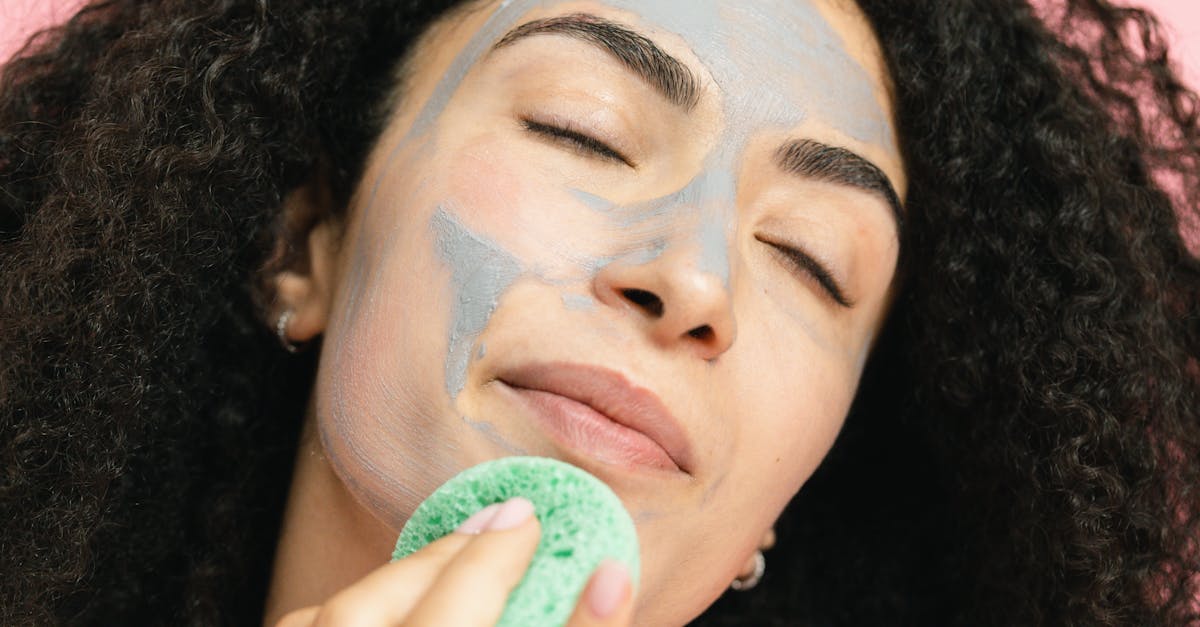 📷 SHVETS production · Pexels
✦ Key takeaways
- Acne is not proof of poor hygiene; it is four factors meeting inside a pore.
- Hormones and genetics are the biggest drivers — not chocolate or a ‘dirty face’.
- Most treatments fail from impatience and over-drying, not from being useless.
- Real improvement needs 6–8 weeks of calm consistency, sometimes a dermatologist.
Let me describe a scene you may have lived: a pimple erupts right before an important day, so you attack it with everything — washing your face again and again, scrubbing until it reddens, maybe dabbing on toothpaste because someone swore it ‘dries it out’. By morning the pimple is bigger and the skin around it is angry. The familiar story is that you didn’t try hard enough; the truth is the effort went in the wrong direction.
Acne is one of the most common skin conditions there is, affecting teenagers and adults alike — yes, adults too, women especially. And because it is so common, it has gathered more myths than almost any other skin problem. Before we talk about any treatment, we have to understand what actually happens beneath the surface; without that, every attempt is like fighting a fire with your eyes closed.
🔥 Calorie Calculator
Find your daily calorie needs and goal calories — free & instant.
What actually happens inside the skin
Picture each pore as a tiny well with an oil gland at its base that secretes a waxy substance called sebum, which protects and moisturizes the skin. Normally, sebum rises calmly to the surface alongside dead skin cells. Acne begins when this simple arrangement breaks down — specifically when four factors line up together.
First, excess sebum driven by hormones. Second, a build-up of dead skin cells that should have shed but instead plug the pore’s opening. Third, a bacterium that lives naturally on skin, Cutibacterium acnes, which finds the blocked, oily pore a perfect closed environment and multiplies. Fourth, the inflammation your body mounts in response — the source of a pimple’s redness, pain and swelling. Remove any one of those four factors and the cycle starts to break — which is exactly what good treatments target.
The factors that truly ignite acne
The single biggest driver is hormones, particularly the androgens that rise at puberty and switch the oil glands into overdrive. That is why acne so often starts in the teenage years, and why it flares for many women before their period or during hormonal shifts. Next comes genetics: if a parent battled stubborn acne, your odds of following the same path are higher — not a verdict, but a real tendency written into your genes.
Then come factors that make things worse without being the root cause: heavy skincare and make-up products that clog pores (look for ‘non-comedogenic’ on the label), constant friction from helmets, masks or resting your chin on your hand, and psychological stress, which raises hormones that increase oil. There is also growing — though not universal — evidence that diets high in fast-absorbing sugars, and perhaps some dairy, can aggravate acne in a subset of people. Note the careful wording: ‘aggravate in some’, not ‘cause in everyone’.
What about the innocent suspects?
This is where the biggest misunderstanding lives. Chocolate, greasy food and an ‘unclean face’ are the usual suspects in casual conversation, but the evidence does not back them the way we imagine. Eating chocolate does not open your pores, and the oil on your plate does not travel through your blood to exit your face. As for the ‘dirty face’, it is a harmful fallacy; acne begins deep in the pore, not on its surface, and over-washing and scrubbing strip the protective layer, irritating the skin so it answers with even more oil. In short: scrub more, damage more.
| Common belief | What the evidence says |
|---|---|
| Acne means poor hygiene | It starts deep in the pore; over-washing makes it worse |
| Chocolate and fat cause it for everyone | No general proof; limited possible effect in some people |
| Toothpaste dries a pimple away | It irritates and burns skin without treating the cause |
| Popping pimples speeds healing | It pushes inflammation deeper and risks scarring |
| Oily skin needs no moisturizer | Dryness triggers more sebum; light moisture is essential |
Why treatments fail despite being everywhere
The irony is that most people who complain their treatment ‘does nothing’ are using genuinely effective products — then defeating them with four habits. First, impatience: most treatments need six to eight weeks to show a real difference, yet many quit after a week in frustration. Second, overdoing it: using large amounts or stacking several strong actives together does not mean faster results, only burnt, flaking skin that inflames more.
Third, choosing the wrong active for the skin type or type of acne: what suits blackheads may not suit deep, inflamed cysts. Fourth, stopping the moment things improve: acne is a condition you manage, not one you cure in a single strike; the skin clears, people stop, and the cycle returns from the start. A successful treatment is not a superhero landing one blow, but a calm, regular habit that gives the skin time to change.
An evidence-based approach: what actually works
Start simple, not complex. A gentle cleanser twice a day with your fingertips, no scrubbing; then one effective active suited to your case; then a light, non-comedogenic moisturizer; and sunscreen by day. Among the actives the evidence supports: benzoyl peroxide, which reduces bacteria and suits inflamed spots; salicylic acid, which dissolves what clogs pores and helps blackheads and whiteheads; topical retinoids, which regulate cell turnover and are among the strongest at both treating and preventing; and niacinamide, which calms inflammation and balances oil.
The golden rule: introduce one new active every few weeks, not all at once, starting at a low strength and spaced-out use, then building gradually. Consistency beats strength; a moderate product used regularly outperforms a powerful one used randomly. And remember sunscreen is not a luxury: many acne treatments make skin more sun-sensitive, and the sun darkens post-pimple marks so they linger for months after the pimple itself is gone.
Common mistakes that make it worse
The first is popping pimples; an irresistible temptation that pushes the contents deeper, prolongs inflammation and plants the seed of a scar that can last years. The second is aggressive washing and harsh, grainy scrubs that scratch inflamed skin. The third is switching products every week chasing a miracle, never giving any treatment its full chance. The fourth is neglecting moisture, believing oily skin does not need it, when dryness itself provokes more sebum.
The fifth — the most damaging psychologically — is judging yourself. Acne is visible, and so it weighs on self-esteem, pushing some toward harsh, fast fixes that add harm. Honesty requires saying that skincare is a journey of patience, and inflamed skin needs kindness, not punishment. And if the emotional toll is heavy, that is in itself a good reason to seek professional help, not a sign of weakness.
When it is worth seeing a dermatologist
Many mild cases improve with a simple, consistent home routine. But there are signals where going it alone is unwise: when spots are large, deep and painful beneath the skin (cystic), when they begin leaving scars or dark marks, when there is no improvement after two or three months of regular care, or when the effect on your mood and confidence is heavy. In these cases a dermatologist has options not available without supervision — from stronger topicals to certain oral medications; one of them, isotretinoin, is highly effective but used strictly under close medical monitoring.
In the end, acne is not a verdict on your cleanliness or your discipline, but a language your skin uses to speak about internal and external balance. When you stop fighting it violently and start understanding it, the equation changes: the random attempts fade, replaced by a calm routine that gives your skin what it truly needs — time, gentleness and consistency. Perfectly clear skin is not always a realistic goal, but calmer, healthier skin is within reach for most.
Sources
🛒 Selected health picks on AliExpress



Affiliate links — small commission possible, no extra cost.