What Is Collagen? Do the Supplements Actually Work, or Is It Just Marketing?
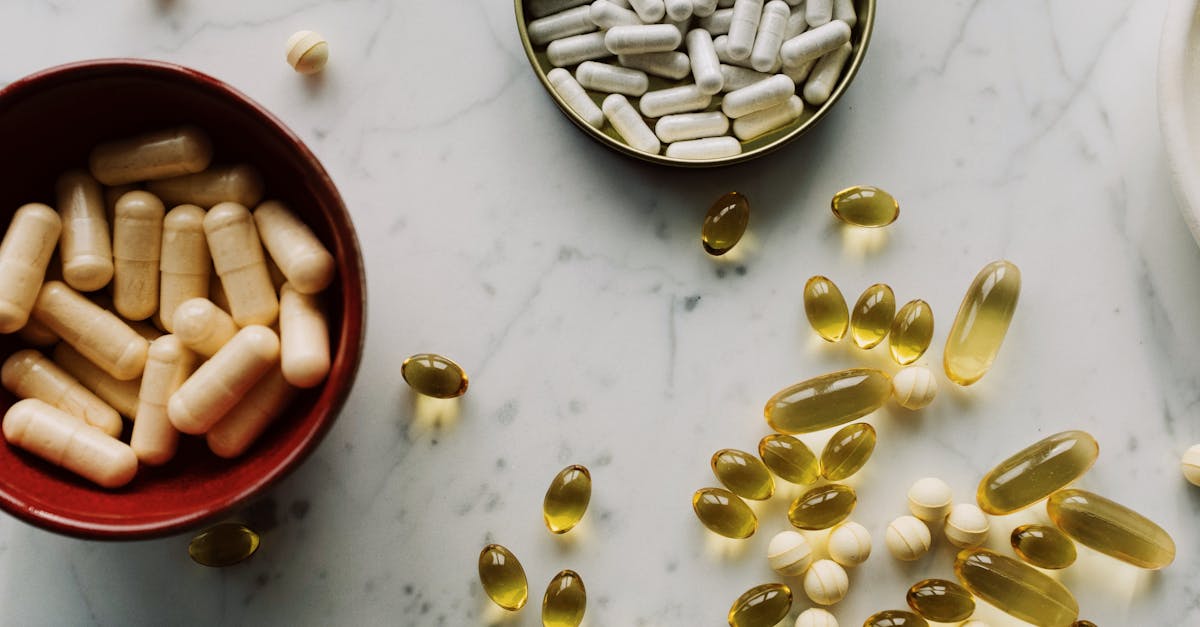 📷 ready made · Pexels
✦ Key takeaways
- Collagen is the body's most abundant protein, the scaffold of skin, joints, bones, and tendons.
- Supplements do not reach your skin 'as is'; the body digests them into amino acids and directs them where it wills.
- Some studies suggest modest benefits for skin and joints, but the evidence remains limited and early.
- A balanced diet, sun protection, and not smoking support your natural collagen more than any powder.
Open any supplement store today, or scroll through social media ads, and you will find collagen as a shining star: powders, drinks, and capsules promising softer skin, stronger joints, and thicker hair. The truth is the word has become a brand in its own right. But before we believe or dismiss it, let us first understand what this protein is, and what science really says about its supplements.
Our aim here is not to sell you a product nor to frighten you away from one, but to calmly separate what is proven from what is exaggerated. Collagen is something real and important in our bodies, and there is no dispute about that; the precise question is whether taking it as a powder does what the ads promise.
🔥 Calorie Calculator
Find your daily calorie needs and goal calories — free & instant.
What Collagen Is and Why It Matters
Collagen is the most abundant protein in the human body, making up a large share of our total protein. Picture it as the 'glue' or scaffold that holds the body together and gives it structure: in the skin it provides elasticity and plumpness, in the joints it cushions the cartilage, and in bones, tendons, and ligaments it lends strength and durability. It is literally what holds our parts together.
As we age, the body's production of collagen gradually slows, and the old stores begin to break down. This is when wrinkles appear, skin becomes less plump, and joint aches may increase in some people. This decline is natural, and it is accelerated by factors such as excessive sun exposure, smoking, and too much sugar. From here was born the tempting idea: what if we could 'refill' collagen from the outside?
What Your Body Actually Does With the Supplement
Here lies the most important point that many ads overlook. When you swallow collagen powder, it does not travel 'as is' to stick onto your skin or joint. The digestive system first breaks it down into tiny units called amino acids and peptides, exactly as it does with any other protein like meat or eggs. Then the blood absorbs them, and the body distributes them wherever it sees need, not necessarily toward your face.
So the idea of 'a collagen you drink that goes straight to your skin' is a misleading oversimplification. What it actually provides is protein building blocks the body may use to build its own collagen if conditions allow. The more accurate scientific hypothesis is that certain small peptides may act as a signal that stimulates skin cells to produce more, and this is an active area of research, not settled fact.
Its Types and the Forms of Its Supplements
You may be surprised that collagen has many types in the body, but three are the best known: type I, dominant in skin, bones, and tendons; type II, abundant in cartilage; and type III, which accompanies type I in soft tissues and vessels. Ads love to label their products with shiny numbers, but in the end your body breaks them all down into the same building blocks.
As for the form of the supplement, it varies: dissolvable powder, tablets and capsules, ready-made drinks, and even traditional bone broth, which is a natural source. The most studied form is 'hydrolyzed collagen' or peptides, because its pre-breakdown makes it easier to absorb. But remember that a high price or elegant packaging does not necessarily mean a greater effect; what counts is the evidence, not the advertising.
What Do the Studies Say?
Let us be fair: not every promise is a myth, and not every one is proven. Some small clinical trials have suggested that hydrolyzed collagen peptides may slightly improve skin hydration and elasticity and reduce wrinkle depth in some participants after several weeks. Other studies have hinted at a modest easing of joint pain in athletes or older adults.
But the picture calls for caution. Many of these studies are small, short-term, and sometimes funded by the manufacturers themselves, which warrants reservation. The results, when they appear, are usually modest rather than magical, and they vary from person to person. In short: there are encouraging early signals, but science has not yet had its final word, and honesty requires that we not exaggerate in either direction.
Myth Versus Fact
Myth: 'Collagen dissolves straight into your skin.' Fact: It is first digested into amino acids the body directs as it wills. Myth: 'One luxury type cures everything.' Fact: The body has several types of collagen, each with its role, and no powder precisely targets one particular organ.
Myth: 'A supplement replaces lifestyle.' Fact: No powder undoes the harm of sun, smoking, sleeplessness, and poor diet. Myth: 'The bigger the dose, the bigger the effect.' Fact: The body takes what it needs and the rest is just extra protein. Awareness of these distinctions protects you from spending heavily on shiny promises.
How to Support Your Collagen Naturally
The lovely news is that the strongest protection for your collagen is often free. Start with a balanced diet rich in good protein, in vitamin C essential for making collagen (found in citrus, peppers, and strawberries), and in zinc and copper from nuts and legumes. Your body makes its own collagen if you give it the raw ingredients.
Then protect what you have: sunscreen is perhaps the greatest real 'anti-aging cream,' because ultraviolet rays are the biggest destroyer of collagen. Add quitting smoking, cutting refined sugar, adequate sleep, and good hydration. These habits together outperform any expensive jar, and their effect on your skin and joints is deeper and longer-lasting.
When to Consult a Doctor
Dietary supplements are generally considered acceptable for many healthy people, but they are not without considerations. Consult your doctor or a pharmacist before starting if you are pregnant or breastfeeding, take chronic medications, have a food allergy (some collagen is sourced from fish or cattle), or have a particular health condition. And do not rely on a supplement to treat persistent joint pain or a skin problem without a diagnosis.
Remember too that the supplement market is less strictly regulated than medicines, so choose trusted sources and do not be fooled by 'miracle' claims. This article is for general awareness and does not replace medical advice that accounts for your situation.
Sources
Cleveland Clinic — articles on collagen and its supplements. Harvard T.H. Chan School of Public Health — analysis of the evidence on collagen supplements. Mayo Clinic — collagen and skin. Published scientific reviews on hydrolyzed collagen peptides.
🛒 Selected health picks on AliExpress


Affiliate links — small commission possible, no extra cost.