What Causes Water Retention — and How to Ease It Wisely
 📷 https://kaboompics.com/ · Pexels
✦ Key takeaways
- Passing puffiness after a salty meal or a long day of sitting is common and usually harmless.
- Excess sodium, inactivity, and hormones are among the most frequent everyday triggers.
- Movement, elevating your legs, and cutting added salt help more than any 'water pill' fad.
- Sudden swelling in one leg, or swelling with breathlessness, needs a doctor right away.
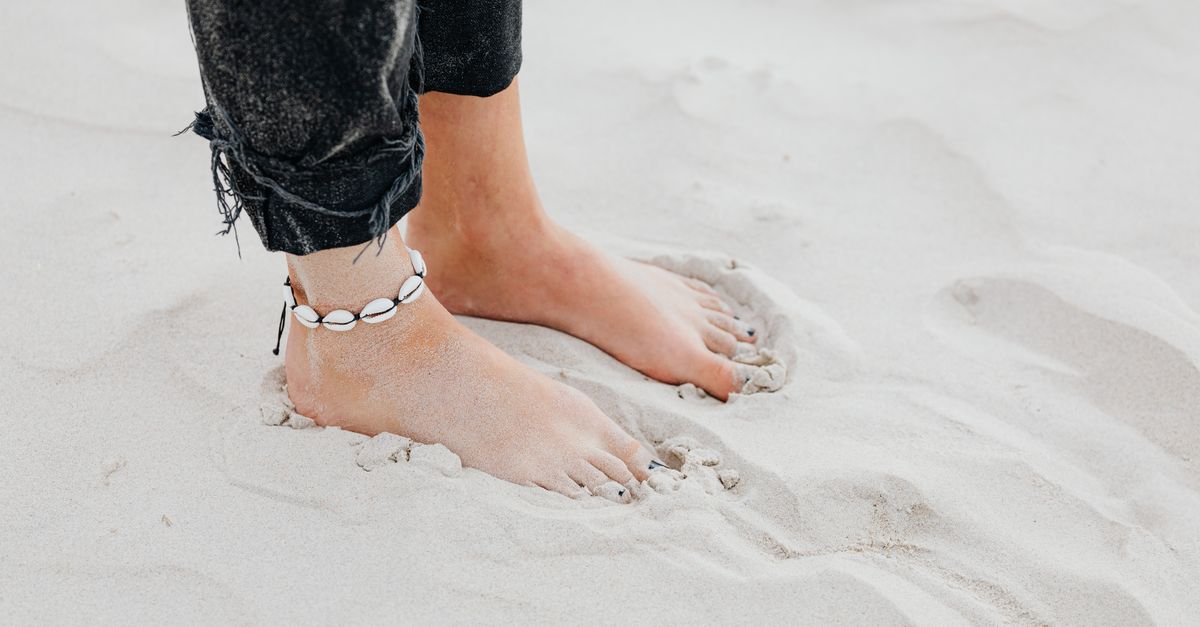
You probably know the feeling: you wake up with puffy eyelids and a slightly heavier face, or you slip off your shoes after a long day and see the sock's imprint carved into your ankle, or you try to remove your ring and find it tighter than usual. That's water retention — what doctors call mild edema — and it's simply an excess of fluid pooling in the tissues that sit between your cells. Most of the time it is fleeting and harmless, but occasionally it is your body sending a message worth calmly hearing.
Your body balances water with remarkable precision across blood, tissues, and cells. That balance is governed by your kidneys, by salts — sodium above all — and by the pressure inside your tiny vessels along with certain proteins in the blood that keep fluid where it belongs. When the balance tips even slightly, a little more water leaks into the surrounding tissues and puffiness appears. Understanding why makes it far less alarming to deal with.
🔥 Calorie Calculator
Find your daily calorie needs and goal calories — free & instant.
Why the body holds on to water
The most common everyday trigger is sodium. After a salty meal — canned foods, fast food, chips, or salty cheeses — your body tries to dilute the salt in your blood by hanging on to extra water around it. That's why the scale can jump a kilo or two after a salt-heavy dinner. But it's water, not fat, and it usually clears within a day or two once you return to your normal eating.
The second culprit is inactivity. Sitting or standing still for long stretches lets gravity pull fluid down toward your legs and ankles, because it is the contraction of your leg muscles during movement that pumps fluid back toward the heart. This is why so many travelers on long flights — and people whose jobs keep them on their feet for hours — notice swollen feet by the end of the day.
The third cause is hormonal, and many women know it intimately. Shifts in estrogen and progesterone before a period nudge the body to retain more water, producing bloating in the belly, breasts, and hands that usually fades once the period begins. Pregnancy, too, naturally and necessarily raises the body's fluid volume — though increasing foot swelling in pregnancy is worth mentioning to a doctor.
Does puffiness mean gaining fat?
One of the most common worries is seeing a higher number on the scale in the morning and assuming you gained fat overnight. That is physiologically impossible; adding a kilogram of fat requires a large calorie surplus over several days. What usually happens is a swing in water tied to salt, carbohydrates, and hormones, moving up and down within hours.
Grasping this difference reassures a lot of people. Daily weight is not a precise measure of fat — it's a mix of water, gut contents, and food. If you want to track how your body is changing, it's better to weigh yourself under the same conditions once a week rather than daily, and not to panic over a single morning's jump after a salty meal.
Other factors worth noticing
Heat makes blood vessels widen, so fluid gathers in the extremities — which is why your hands and feet puff up on hot summer days or after a long stretch in the sun. Certain medications can cause retention as a side effect too: some anti-inflammatory painkillers, some blood-pressure drugs, steroids, and certain diabetes medicines. Here's an important rule: never stop a prescribed medication on your own — raise the side effect with your doctor so they can decide on an alternative.
A sedentary routine, long hours slumped at a screen, and low fitness overall all increase the body's tendency to pool fluid in the lower half. And paradoxically, drinking too little water can push the body to cling defensively to what fluid it has, so proper hydration is part of the solution, not the problem. A diet very low in protein can also contribute to deeper retention, which deserves evaluation if it persists.
How to ease it in daily life
Start with added salt. You don't need a punishing diet, but trimming processed foods, canned goods, and ready meals makes a noticeable difference within days. Read the sodium labels on packages, cook at home where you can to control how much salt goes in, taste your food before reaching reflexively for the shaker, and try swapping some salt for herbs, lemon, and spices that add flavor without sodium.
Move regularly. A short walk every hour, flexing your ankles and pointing your feet while seated, and propping your legs on a cushion above heart level at the end of the day all help gravity and muscle return fluid to circulation. Compression stockings are a useful option for people who stand for work or travel often. And get regular moderate exercise — a good sweat and brisk circulation are your allies in clearing the excess.
Stay well hydrated. Sip water steadily through the day rather than large amounts at once, and lean on potassium-rich foods like bananas, potatoes, leafy greens, and tomatoes, since potassium offsets sodium's effect and helps the kidneys clear it. As for herbal 'water pills' and diuretic supplements marketed to 'flush water out,' treat them with real caution — they can throw off your body's salt balance and cause problems worse than the puffiness itself, and they're best avoided without clear medical supervision.
When to see a doctor
Passing puffiness is one thing; swelling that signals something deeper is another entirely. Seek urgent care if one leg suddenly swells and becomes hot, painful, or red — that can be a sign of a deep vein clot that needs prompt treatment. Likewise, any swelling accompanied by shortness of breath or chest pain is an emergency; don't wait, because it can involve the heart or lungs.
See your doctor soon if swelling is persistent day after day and doesn't ease with rest, leaves a lingering dent when you press the skin and lift your finger (pitting), or comes with rapid unexplained weight gain, heavy fatigue, or a change in how much you urinate. Chronic swelling can sometimes point to heart, kidney, liver, or thyroid conditions that need evaluation and tests. Remember this article is general awareness and doesn't replace an assessment by a specialist who knows your history and decides what suits your case.
The takeaway: most everyday water retention is a simple message you can read — too much salt, too little movement, and perhaps hormones on their natural cycle. Fix those factors, hydrate, and listen to your body calmly, and the passing puffiness tends to leave the way it came: without a fuss.
Sources
Mayo Clinic — Edema; NHS — Oedema (swelling); Cleveland Clinic — Water Retention; Harvard Health Publishing — Fluid retention and sodium.
🛒 Selected health picks on AliExpress



Affiliate links — small commission possible, no extra cost.