Why Does Bad Breath Happen? Causes and Practical Fixes
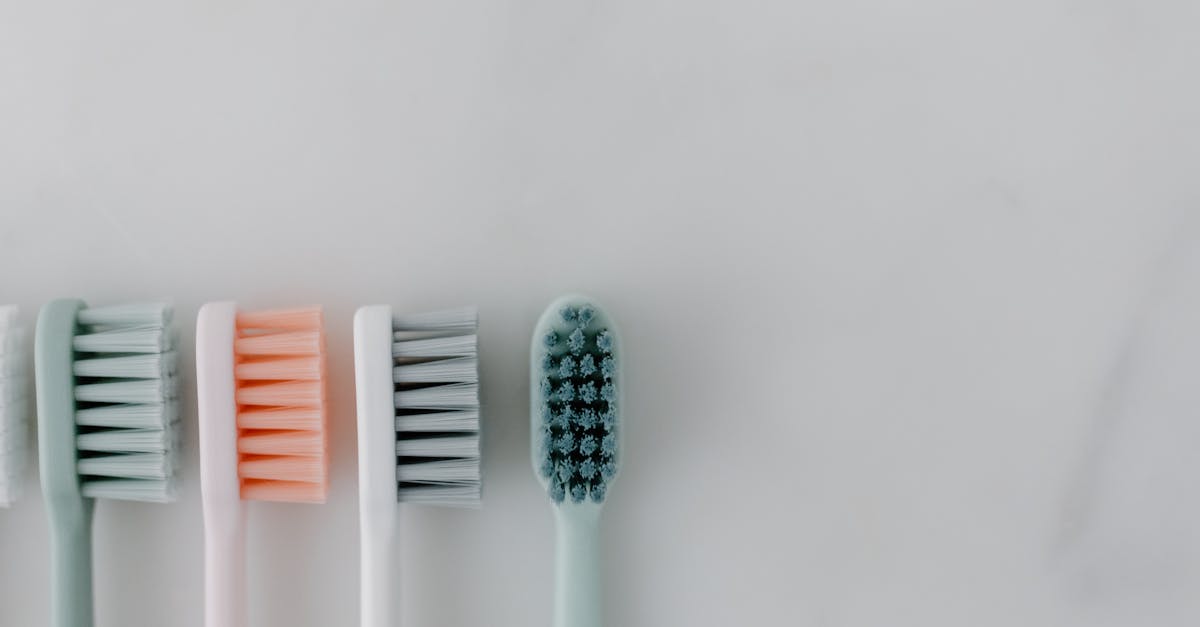 📷 Tara Winstead · Pexels
✦ Key takeaways
- About 85% of bad breath originates in the mouth, especially the back of the tongue.
- Anaerobic bacteria produce volatile sulfur compounds that cause the odor.
- A dry mouth in the morning or while fasting is a common, temporary cause.
- Cleaning the tongue, drinking water, and dental visits resolve most cases.
Let me start with something reassuring: bad breath, known medically as halitosis, is not a flaw in your character nor an automatic sign of serious disease. In the vast majority of cases it is a simple, mechanical problem happening inside your mouth, with clear causes and even clearer solutions. The tricky part is that the person with bad breath often cannot smell it, because our sense of smell adapts to constant odors and stops registering them. This leaves many people caught between needless anxiety that keeps them at arm's length from others, and unintentional neglect that only other people notice.
Here is the good news: research suggests that roughly 85% to 90% of bad breath originates in the mouth itself, not in the stomach as many assume. The popular idea that odor simply rises from the stomach is usually inaccurate, because the esophagus stays closed most of the time and does not let smells travel upward. That means the solution is usually within your reach, and understanding the mechanism is half the cure.
🔥 Calorie Calculator
Find your daily calorie needs and goal calories — free & instant.
Where the Smell Actually Comes From
Picture your mouth as a warm, moist environment full of tiny food particles and dead cells shed from its lining. In this environment live bacteria called anaerobes, which thrive in the absence of oxygen. When these bacteria feed on leftover proteins, they break them down and release sulfur gases known as volatile sulfur compounds. These are the primary cause of that distinctive smell, often compared to rotten eggs or sulfur.
The most common gathering place for these bacteria is the back third of the tongue, where they form a white or yellowish coating hidden in the tiny crevices between the papillae. This area is far from the tongue's movement and from friction with food, so the coating settles there and quietly produces gas. This is why brushing your teeth while ignoring your tongue leaves the largest odor source untouched, a mistake most people make without realizing it.
The Role of Dry Mouth and Saliva
Saliva is not just a fluid; it is your mouth's natural defense line. It constantly washes away debris, carries oxygen that suppresses anaerobic bacteria, and contains antibacterial substances and cleansing enzymes. When saliva drops, the mouth loses this protection and bacteria act freely.
This is why breath is worst upon waking. Saliva production falls sharply during sleep, letting bacteria work unchecked all night. We call this morning breath, and it is completely normal, vanishing with the first brush and a glass of water. The same happens during fasting, when breathing through the mouth instead of the nose, with certain medications that cause dryness, or with age as the salivary glands slow down. The key here is not sugary gum but restoring moisture. Water is the cheapest and best breath remedy there is.
Food and Habits: The Usual Suspects
Some foods cause odor from two different sources. Garlic and onions, for instance, contain sulfur compounds that are absorbed into the blood and exhaled through the lungs. This is why brushing alone will not remove them, and the smell may linger for hours after the meal. Coffee and high-protein foods, meanwhile, feed bacteria and increase mouth dryness through their acidity.
Smoking sits at the top of the list. It dries the mouth, leaves its own harsh smell, and raises the risk of gum disease, which is itself a major cause of chronic bad breath. Very low-carbohydrate diets can also cause keto breath, a strange sweetish odor produced as the body burns fat. In short, many stubborn cases trace back to a simple daily habit that can be adjusted without any complicated treatment.
When Breath Signals Something Deeper
In a minority of cases, odor is a symptom of another problem worth attention. Advanced gum disease creates deep pockets around the teeth that shelter bacteria out of the brush's reach. A specific chronic smell can also be linked to sinus infections whose secretions drip to the back of the throat, to tonsillitis, or to small white tonsil stones that carry a very foul odor.
In rarer cases, uncontrolled diabetes can give the breath a fruity smell, and advanced liver or kidney problems can produce a characteristic odor that doctors recognize. The reassuring rule here is simple: if the smell comes and goes with oral hygiene, it is usually local and minor. If it persists despite good care, or comes with other symptoms, it deserves a medical evaluation rather than fresheners that only mask the problem temporarily.
A Simple Practical Plan
Start with the basics: brush twice a day with a soft brush for two minutes, and do not skip flossing once a day to remove what hides between teeth where the brush cannot reach. Then add the step so many people miss: gently clean your tongue from back to front with a tongue scraper or the back of your brush. This alone can make a bigger difference than you expect.
Drink water regularly to keep your mouth moist throughout the day, cut down on sugar and smoking, and chew sugar-free gum to stimulate saliva after meals when needed. Mouthwash helps as an aid, but choose an alcohol-free type, since alcohol dries the mouth and worsens the problem over time. Finally, see your dentist twice a year for tartar removal and to treat any decay or early gum inflammation. Most people find these steps alone are enough to restore confidence in their breath.
When to See a Doctor
See your dentist if the smell persists for weeks despite good care, or comes with bleeding gums, pain, loose teeth, or receding gums. See a general doctor if it is accompanied by severe persistent dry mouth, fever, unexplained weight loss, a lasting metallic taste, or a chronic cough. These signs call for a search for a deeper cause rather than treating the odor alone.
Remember, this article is for general awareness and does not replace a consultation with a dentist or specialist who examines your case directly and reaches the precise cause.
Sources
Mayo Clinic — Bad breath (Halitosis). Cleveland Clinic — Halitosis. NHS — Bad breath. American Dental Association (ADA) — Oral health topics.
🛒 Selected health picks on AliExpress



Affiliate links — small commission possible, no extra cost.