Is Coffee Good or Bad? The Scientific Balance Between Benefit and Caution
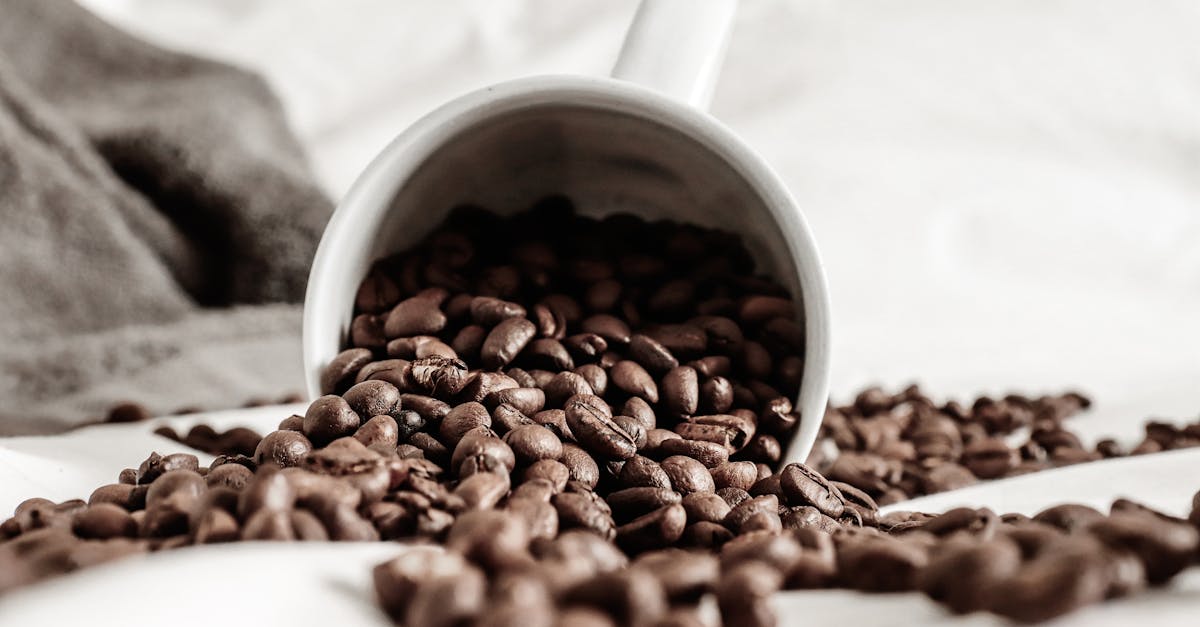 📷 Maddy Freddie · Pexels
✦ Key takeaways
- Coffee in moderation is linked to benefits: alertness, focus, and antioxidants.
- Excess or late intake may cause insomnia, anxiety, and palpitations.
- Caffeine sensitivity varies greatly from person to person.
- Moderation and timing are the key to reaping benefit without harm.
The morning cup of coffee holds a special place in millions of lives. Yet few drinks have divided opinion like it: one moment we hear it lengthens life and protects the heart, the next that it raises blood pressure and disturbs sleep. So whom do we believe? The truth, as usual in science, isn't 'black or white,' but a delicate balance between real benefits and limits to respect.
The first side: supported benefits
When drunk in moderation, coffee is linked to tangible benefits. Its caffeine stimulates the nervous system, increasing alertness and focus and temporarily improving mental and physical performance. It's also rich in antioxidants, and observational studies have linked moderate intake to lower risk of some health issues for many people. So it's not right to brand it a 'harmful drink' at all.
🔥 Calorie Calculator
Find your daily calorie needs and goal calories — free & instant.
The other side: when does it turn harmful?
But coffee has another face with excess or poor timing. Too much caffeine may cause insomnia (especially if drunk in the evening), anxiety and jitteriness, a rapid heartbeat or palpitations in sensitive people, and stomach upset. The body's dependence on it may also cause a withdrawal headache on sudden stopping. The problem here isn't coffee itself, but the dose and timing.
Why do some people tolerate it more?
You'll notice a friend drinks two cups in the evening and sleeps like a baby, while one cup at noon ruins your night. The reason is that caffeine sensitivity varies genetically from person to person; some bodies break down caffeine fast, others slowly. So there's no 'one rule fits all'; the real measure is how your own body reacts.
What's in the cup besides caffeine?
The truth is that caffeine is only one hero in your cup. Coffee is a complex liquid holding hundreds of compounds, most notably chlorogenic acids — antioxidants thought to contribute to many of its benefits — along with some niacin, potassium, and magnesium. Imagine that every sip carries this delicate blend shaped through roasting. That is why coffee's effect differs from a bare caffeine pill; you aren't drinking a stimulant alone, but a rich plant-based beverage whose components interact together. This partly explains its balanced health picture when it is drunk in moderation, rather than being reduced to a mere delivery system for a jolt of alertness.
Coffee and the stomach: should you drink it on an empty stomach?
Many people ask whether drinking it on an empty stomach harms them. Coffee does stimulate stomach acid, and some sensitive people may feel heartburn or discomfort when they start the day with it and no food. But this varies from person to person, and many notice no problem at all. If you find that the morning cup leaves your stomach unsettled, try pairing it with a light bite or delaying it slightly until after breakfast, and watch the difference. The same rule repeats here: your body is the guide, and listening to its signals is smarter than following one rigid rule meant to fit everyone.
Sometimes the additions are the problem
Let me tell you a small irony: coffee itself is low in calories, almost free of them, yet what we add can turn it into a liquid dessert. Spoons of sugar, heavy cream, sweetened flavorings, and processed syrup pile on calories and sugars that may exceed a whole slice of cake. When we talk about coffee's 'harm,' the conversation is often really about these additions rather than the coffee itself. If you want its benefit without the burden, move gradually toward its original flavor, cutting sugar little by little until your palate rediscovers its deeper, genuine taste.
Decaffeinated coffee: a smart alternative?
What if you love coffee's taste and ritual, but its caffeine disturbs your sleep or races your heart? This is where decaffeinated coffee shines; it keeps most of its flavor and antioxidants while removing the bulk of the caffeine — not every last trace. It is a practical choice for anyone wanting a calm evening cup, or for pregnant women and the caffeine-sensitive who don't want to give up a beloved habit. Imagine sipping your cup after dinner without paying for it in sleep that slips away until dawn. It isn't the answer for everyone, but it is a gentle bridge joining pleasure with peace of mind.
Coffee before a workout: a boost or a trap?
One secret athletes know is that a cup about half an hour before training can give a real boost; caffeine raises alertness, dulls the sense of effort, and makes the workout feel lighter and more enjoyable. Yet this boost has another face worth watching. If you overdo it, or drink it just before an evening session, you may find your heart racing as you try to sleep hours later, or feel a faint jitter that scatters your focus instead of sharpening it. The line between a boost and a trap is thin, and its name is dose, timing, and your body's sensitivity. Try a small amount first, watch how your body responds, and never let coffee replace enough sleep or the water that offsets what you lose in sweat; it is a gentle helper, not a magic fuel that spares you the basics.
Some common questions
Is coffee bad for the heart? In moderation, not harmful for most healthy people, and it may be linked to benefits; but excess may cause palpitations in sensitive people, and those with heart disease should consult their doctor.
How many cups a day are acceptable? It varies by your sensitivity; moderation and watching its effect on your sleep and mood is the guide.
Why does it sometimes disturb my sleep? Because caffeine stays in your body for hours; drinking it late delays sleep, so it's best avoided after noon.
Does coffee cause dehydration? Its diuretic effect is mild and doesn't dehydrate habitual drinkers; its fluid generally counts toward your hydration.
When to be careful or consult a doctor?
For most healthy adults, a moderate amount of coffee is a safe part of the day. But be alert if you notice palpitations, anxiety, or insomnia linked to it, and cut back then. It's best for people with certain conditions like heart disease, uncontrolled high blood pressure, or severe anxiety, and pregnant women, to consult their doctor about the amount suitable for them. This article is general information and doesn't replace a specialist's advice.
🛒 Selected health picks on AliExpress




Affiliate links — small commission possible, no extra cost.