How to Treat Sunburn and Prevent It: Do's and Don'ts
 📷 Tara Winstead · Pexels
✦ Key takeaways
- Sunburn is UV-induced damage to skin cells, not just surface redness.
- Early care rests on gentle cooling, generous moisturizing, and drinking fluids.
- Avoid putting ice directly on skin or popping blisters, which worsens damage and infection risk.
- Widespread burns with blisters, fever, or chills call for medical care.
- Prevention with sunscreen, clothing, and shade is far easier than treating a burn.
What sunburn really is
Many people treat the redness after a day in the sun as a passing nuisance, but what happens beneath the surface is more serious. Sunburn is an inflammatory response to genuine damage that ultraviolet (UV) radiation inflicts on skin cells. These rays penetrate the upper layers and harm the genetic material inside the cells, so the body responds by widening blood vessels and rushing blood to the area, which appears as redness, heat, and tenderness.
The full severity of a burn may not show until several hours after exposure, sometimes the next day. So feeling that your skin is 'still fine' while sitting in the sun does not mean the damage has not begun. As burns repeat over the years, their effect accumulates in the skin, which is why prevention matters far more than treating any single episode.
🔥 Calorie Calculator
Find your daily calorie needs and goal calories — free & instant.
Care in the first hours
The early goal is to calm the skin and prevent further moisture loss. Begin with gentle cooling using a cool damp compress or a lukewarm-to-slightly-cool shower, avoiding very cold water. Gentle cooling eases heat and pain and reduces the burning sensation.
After cooling, moisturize while the skin is still slightly damp using a gentle, fragrance-free product to lock water into the skin. Aloe vera gel is a soothing option thanks to its cooling feel. Drink extra water, because a burn pulls fluid toward the skin surface and raises the risk of dehydration. Rest the affected area and keep it out of the sun until it fully heals.
Common mistakes that make it worse
Some popular habits seem sensible but do more harm than good. The table below clarifies the difference:
| Do | Avoid | Why |
|---|---|---|
| Cool damp compress | Ice directly on skin | Direct ice can further damage already-injured skin |
| Leave blisters intact | Popping blisters | A blister is a protective cover; opening it invites infection |
| Gentle fragrance-free moisturizer | Heavy greasy creams that trap heat | Some heavy products can hinder cooling |
| Loose cotton clothing | Tight clothing rubbing the burn | Friction increases pain and irritation |
| Drink plenty of water | Ignoring signs of dehydration | Burns increase fluid loss |
It also matters not to scrub the skin while drying but to pat it gently, and not to use exfoliants or alcohol-based products on the area, as they increase dryness and irritation.
Myth and fact
Misconceptions about the sun deserve correcting. It is commonly believed that darker skin cannot get sunburned; in truth it is less prone but not immune, and can still suffer UV damage. Some think clouds provide enough protection; in fact a large share of UV passes through clouds, so a burn can happen on an overcast day. Others assume you cannot burn in water; yet light reflects off the surface and increases exposure, and sunscreen wears off if not reapplied after swimming.
How the skin heals
After a burn, the skin begins a repair process that lasts from a few days to a week or more depending on severity. The redness first calms gradually, then the skin may start to peel as it sheds damaged cells and builds a new layer. This peeling is a natural part of healing, and it is best left to happen on its own without picking or scrubbing, which can expose sensitive new skin to the air too soon and increase the risk of discoloration or irritation. During this time the skin stays more sensitive to sun, so protecting it from repeated exposure is essential until it fully recovers, and keeping it regularly moisturized speeds comfort and reduces the tightness and itch that come with peeling.
When a burn becomes dangerous
Most sunburns are superficial and improve within days with home care, but some signs call for medical attention. Seek advice if the burn covers a large area of the body or comes with many blisters, or if fever, chills, a severe headache, or nausea appear, as these can indicate heat illness or a deeper burn.
Also watch for signs of infection in the burned area such as increasing redness, warmth, and pain or pus, and for signs of dehydration like severe dizziness and reduced urination. Extensive facial burns, burns in young children, or intense exhaustion are all good reasons to seek medical advice without delay.
Prevention is easier than treatment
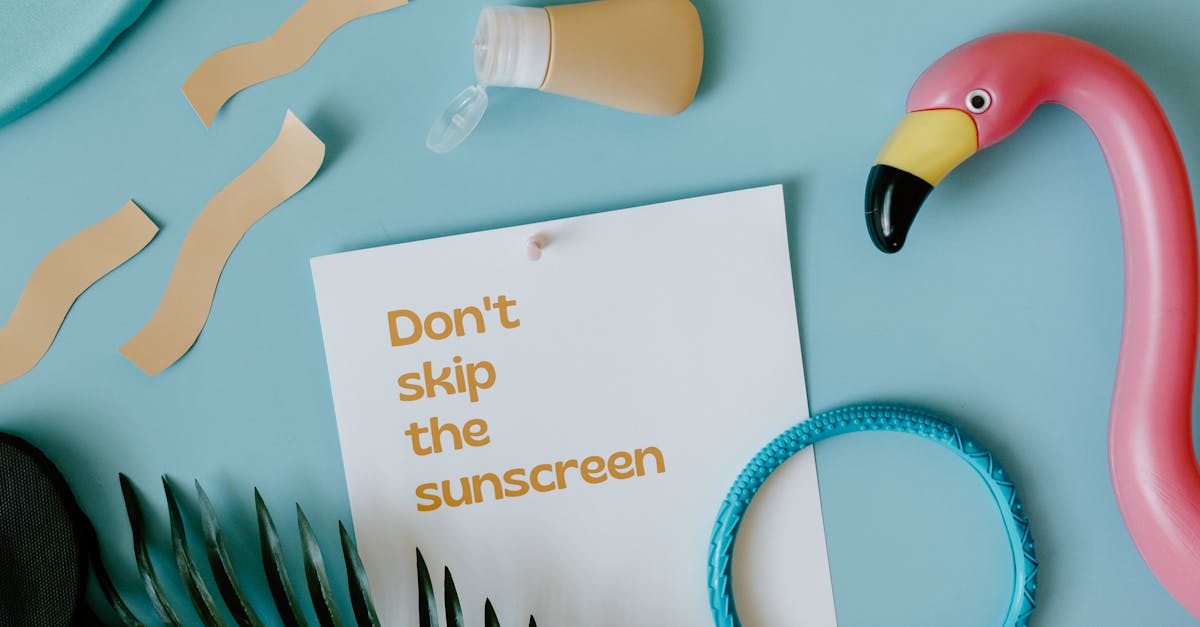
The best treatment for a burn is to avoid it altogether. Use a broad-spectrum sunscreen with an adequate protection factor, reapply roughly every two hours and after swimming or sweating. Avoid direct sun during peak hours when rays are strongest, often around midday. Rely on shade, wide-brimmed hats, sunglasses, and light clothing that covers the skin.
Remember that protection is a daily habit, not a seasonal one; UV is present even on mild days. Caring for your skin today is an investment in its long-term health.
Sources
This article is general education and not a substitute for medical advice.
🛒 Selected health picks on AliExpress



Affiliate links — small commission possible, no extra cost.