How to Sleep Better: An Evidence-Based Practical Guide
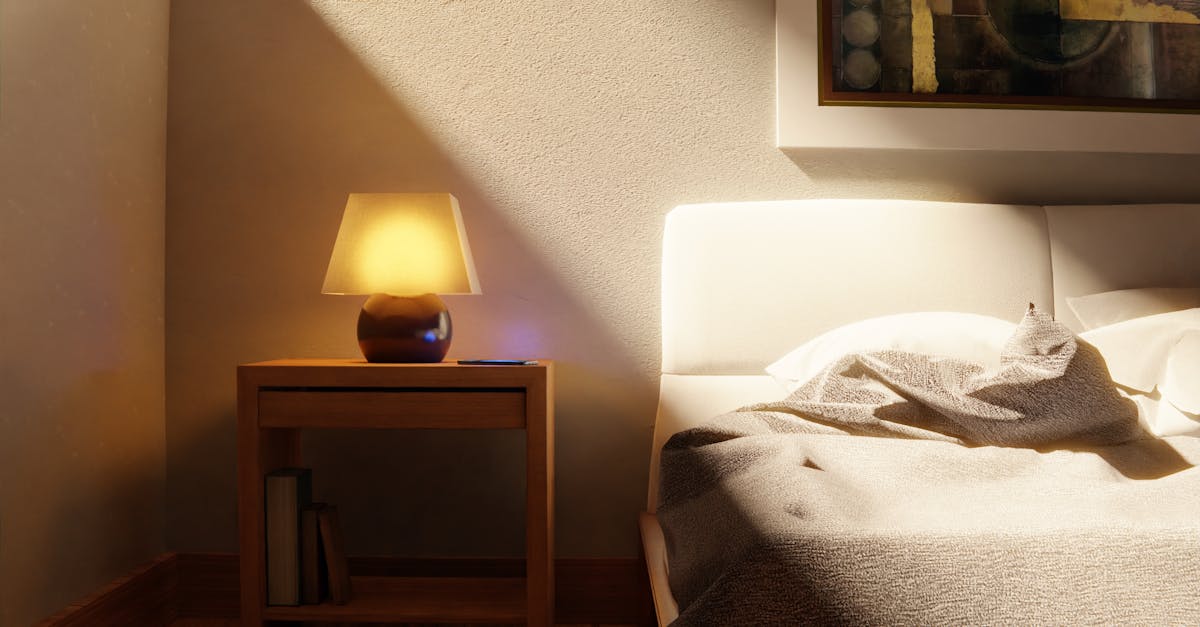 📷 Yusuf P · Pexels
✦ Key takeaways
- Consistent sleep and wake times, even on weekends, are the single most powerful lever for better sleep.
- Light is your body clock's master signal: get bright light in the morning and dim it at night.
- Do not lie awake in bed for long; get up, do something calm, and return when sleepy.
- Cut caffeine after midday and avoid heavy meals right before bed.
You may have spent long nights turning in bed, staring at the ceiling and counting the hours left before the alarm. Good sleep is not a luxury but a biological need that rebuilds the brain and body every night, and its absence shows up in your mood, focus, immunity, and even appetite. The encouraging news is that most common sleep problems improve with practical changes to habits and environment, without pills or complicated routines.
This guide gathers what the evidence supports about sleep hygiene: the set of habits and conditions that prepare your body for deep, uninterrupted sleep. We will not promise a miracle in a single night, but sticking with these principles for a few weeks makes a noticeable difference for most people.
🔥 Calorie Calculator
Find your daily calorie needs and goal calories — free & instant.
How Your Sleep Actually Works
Two systems regulate your sleep together. The first is your circadian rhythm, an internal clock in the brain that times sleepiness and alertness across twenty-four hours, and it is set by light more than by anything else. The second is sleep pressure, a growing drive to sleep that builds the longer you stay awake, as a molecule called adenosine accumulates in the brain and gradually pushes you toward drowsiness.
When these two systems align, you fall asleep easily and wake refreshed. When they clash, such as staying up under bright light or drinking coffee late so it blocks adenosine, the signals conflict and sleep becomes harder. Understanding this makes the advice that follows feel logical rather than like arbitrary rules.
Fix Your Timing Before Anything Else
The single most powerful thing you can do is anchor your wake time every day, including weekends. Rising at the same hour stabilizes your body clock so that evening sleepiness arrives on schedule by itself. When you stay up late on the weekend and sleep until noon, you shift your internal clock as if you had crossed time zones, and you pay for it on Sunday night when sleep refuses to come.
Choose a realistic bedtime that allows seven to nine hours, and keep a narrow window around it. Do not try to repay one bad night with a long lie-in the next day; it is better to return to your usual schedule and let sleep pressure build naturally.
Light: The Hidden Regulator
Light is the language your brain reads to know the time of day. Get bright light in the morning, ideally direct sunlight for ten to twenty minutes after waking, because this sends a strong signal that anchors your clock, boosts daytime alertness, and pulls your evening sleepiness earlier.
In turn, dim your surroundings gradually in the hour or two before bed. Blue light from screens and bright overhead lighting both suppress melatonin, the hormone that paves the way to sleep. Switch off harsh lights, use warm dim lamps, and step away from your phone before bed. If you must use it, lower the brightness and enable night mode.
Make Your Room an Ally
Your sleep environment makes a real difference. Keep the room as dark as possible with blackout curtains or an eye mask, and quiet, or with a steady background sound that masks sudden noise. Temperature matters too: your body naturally cools as you fall asleep, so a slightly cool room helps more than a warm one.
Make sure your bed is linked to sleep and rest only. When you work, eat, and scroll in bed, your brain learns that bed is a place for wakefulness. The more you reserve it for sleep, the stronger that association grows and the easier it becomes to drift off.
Daytime Habits Build Nighttime Sleep
What you do in daylight shapes the quality of your night. Caffeine stays active in your body for many hours, so stop it after midday if you are sensitive. Alcohol may bring drowsiness at first but fragments sleep in its second half and reduces its depth. Regular physical activity clearly improves sleep, though it is best not intense in the hour close to bedtime.
Watch your meals as well: a heavy or spicy dinner right before bed can cause heartburn and discomfort that break your sleep. If you nap, keep it short, around twenty minutes, and early in the afternoon so it does not steal from your nighttime sleep pressure.
What to Do When Sleep Will Not Come
One of the most common mistakes is lying in bed for hours trying to force sleep. This ties the bed to anxiety and makes things worse. The practical rule: if about twenty minutes pass and you are still awake, get up, go to another room, and do something calm and boring in dim light, like reading a few pages, then return to bed when real sleepiness arrives.
Avoid watching the clock and calculating what is left; that stirs anxiety that pushes sleep further away. Remember that occasional insomnia for a night or two is normal and passes, and worrying about it often prolongs it more than the problem itself.
An Evening Wind-Down Routine
The shift into sleep does not happen at the push of a button; it needs a wind-down period that signals to your body the day is over. Set aside half an hour to an hour before bedtime for calm, repeated activities like light reading, a warm bath, or slow breathing. Repeating the same rituals each night turns them into a cue your brain learns and links with drowsiness.
During this window, step away from anything that charges or stresses your mind: work messages, worrying news, and heated discussions. If your mind is crowded with thoughts and tasks, try writing them on paper before bed to empty your head and postpone them to tomorrow with a clear conscience.
A warm bath about an hour before bed is a gentle trick; your body temperature rises and then drops after you get out, and this drop mimics what naturally happens as sleep begins, so you fall asleep faster.
When to See a Doctor
Most sleep problems improve with habits, but some signs warrant a specialist. See a doctor if insomnia persists for more than three months despite better habits, or if you snore loudly and stop breathing during sleep or wake up gasping, which can be a sign of sleep apnea.
Also consult a professional if you feel severe daytime sleepiness that disrupts your day despite seemingly adequate sleep, if insomnia comes with a depressed mood or persistent anxiety, or if unpleasant involuntary leg movements keep you awake. Cognitive behavioral therapy for insomnia is now among the most effective treatments, and a specialist can guide you to it.
Sources
Sleep Foundation — Sleep Hygiene; Mayo Clinic — Sleep disorders; NHS — Sleep guidance; Cleveland Clinic — Sleep health.
This content is general education and does not replace a specialist's advice. If you have a medical condition, take medication, or notice worrying symptoms, consult your doctor before changing your habits.
🛒 Selected health picks on AliExpress




Affiliate links — small commission possible, no extra cost.