How to Safely Reduce a Fever: A Practical Guide
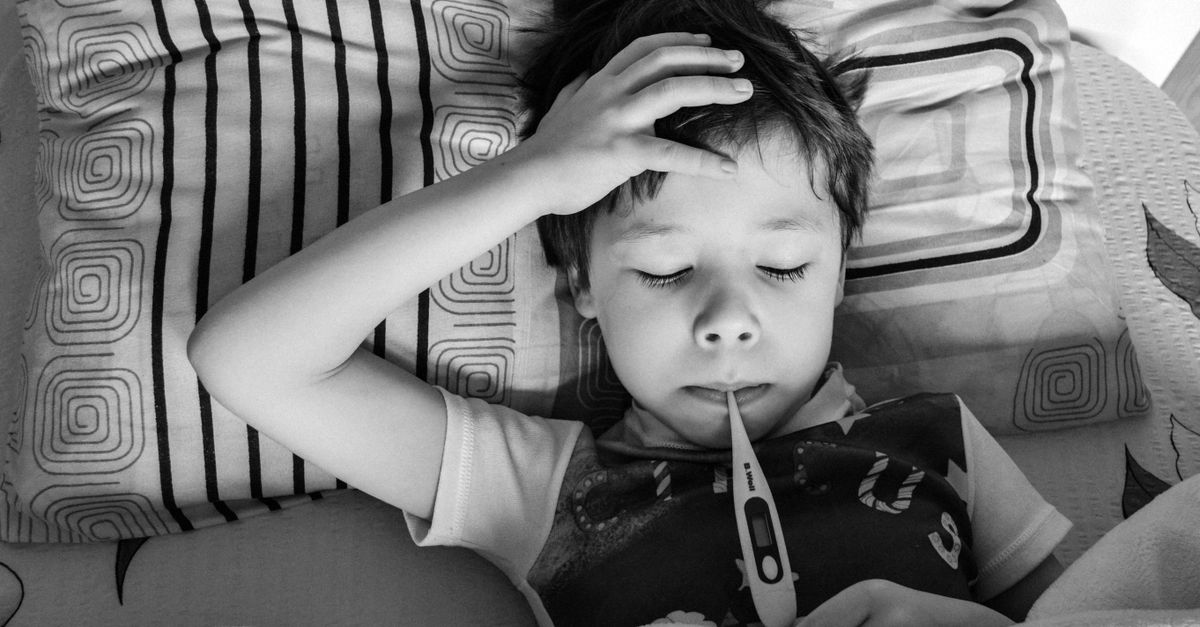 📷 Vika Glitter · Pexels
✦ Key takeaways
- A fever is a natural defensive response that helps the body fight infection, not an enemy to crush at any cost.
- The most useful home steps are fluids, rest, and light clothing, with lukewarm—not cold—water.
- The number on the thermometer is not everything; how the person looks and behaves matters more.
- Infants under three months, a stiff neck, a rash, or confusion are signs to seek care immediately.
- The idea that a high fever always damages the brain is misleading; infection fevers rarely reach a harmful level on their own.
When your child's temperature climbs in the middle of the night, or you wake up shivering in a warm room, the first instinct is usually worry and a rush to "bring the fever down" as fast as possible. But understanding what a fever actually is changes how we handle it, shifting the focus from chasing a number to calmly caring for the whole person.
A fever is not a disease in itself. It is a symptom and a response: a temporary, carefully regulated rise in body temperature driven by the brain in reaction to infection or inflammation. Grasping this point is the key to handling it well.
🔥 Calorie Calculator
Find your daily calorie needs and goal calories — free & instant.
Why the Body Raises Its Own Temperature
Deep in the brain sits the hypothalamus, an internal thermostat. When the immune system detects a virus or bacteria, it releases chemicals that push this thermostat to raise the body's "set point." The body then feels as though its normal temperature is too low, so it shivers and tightens the skin to generate and hold heat.
This rise is not pointless. Many microbes reproduce more slowly in a warmer environment, and immune cells often work more efficiently at slightly higher temperatures. In other words, a moderate fever is part of the defense system, not a malfunction, which is why fully switching it off is not always the ideal goal.
The Real Target: Comfort, Not the Number
One of the most common mistakes is fixating on lowering the reading to "normal" at any cost. It is wiser to aim for the person feeling better: able to drink, rest, sleep, and be less miserable. A child with a high temperature who is playing, drinking, and responsive is in far better shape than one with a lower reading who is limp and unresponsive. Watch overall behavior, activity, skin color, and the ability to take fluids more than the thermometer.
Home Measures That Genuinely Help
Replacing fluids is the foundation. Fever increases water loss through breathing and sweating, and dehydration itself deepens the feeling of exhaustion. Offer water, warm broth, and mild fluids in small, frequent sips. For infants, continue breast or formula feeding as usual, just more often.
Rest lets the body spend its energy fighting the infection rather than on activity. Do not force sleep, but create a calm setting that allows relaxation. Keep the room at a comfortable, moderate temperature, neither hot nor chilly.
Light clothing and a light cover let heat escape. Heavy bundling and trying to "sweat it out" is a popular idea, but it can trap heat and increase discomfort, especially in children. A single cotton layer is usually enough.
If you want to cool from the outside, use lukewarm, not cold, water. Wipe the forehead, neck, and limbs with a cloth dampened at room temperature. Lukewarm water soothes and allows gentle heat loss, while cold water or ice triggers shivering that raises the internal temperature instead of lowering it.
Things Best Avoided
Avoid ice water and very cold compresses, which set off counterproductive shivering. Do not rub the body with rubbing alcohol; it is absorbed through the skin and inhaled and carries real risks, particularly for children. Skip heavy covers and sudden cold baths. Most importantly, do not combine fever-reducing medicines on your own or exceed doses, and ask a pharmacist or doctor before giving any medicine to a young child.
The Myth About High Fever and the Brain
The claim that "a high fever always damages the brain" is widespread and inaccurate. A fever from an ordinary infection is regulated by the hypothalamus within a ceiling that does not usually reach the level that directly harms body tissue. Direct heat injury to tissue is linked to entirely different situations, such as heat stroke or malignant hyperthermia, where the body loses its ability to regulate, not to a routine infection fever.
The febrile seizures that affect some young children are frightening for parents, but the vast majority are brief and leave no lasting harm. Even so, any first-time seizure deserves a medical evaluation for reassurance and to identify the cause. The balanced message is this: the fever itself is not the enemy, but whatever stands behind it may need a look.
When to See a Doctor
Some signs mean the situation goes beyond home care and calls for prompt medical evaluation. Seek help right away in these cases:
Any fever in an infant younger than three months warrants an immediate call to a medical professional without waiting. So does a severely stiff neck with trouble bending the chin toward the chest, a rash that does not fade when pressed, or confusion and difficulty waking or responding.
Also seek care for difficulty breathing, a very high temperature that responds to nothing, a fever lasting more than a few days without improvement, clear signs of dehydration such as reduced urination, a dry mouth, and marked lethargy, a first-time seizure, or severe and worsening pain anywhere. Trust your instinct: if a person seems to be getting worse quickly, do not wait.
A Calm Summary
Handling a fever wisely rests on understanding, not panic: replace fluids, allow rest, lighten clothing, use lukewarm water, and watch behavior more than the number. Keep the list of red flags in mind so you know when to move from home care to seeking medical help.
This information is general education and does not replace advice from a doctor or pharmacist, especially for children, pregnant people, and those with chronic conditions. When in doubt, seek qualified medical guidance.
Sources
🛒 Selected health picks on AliExpress



Affiliate links — small commission possible, no extra cost.