The Benefits of Cold Showers: What the Science Really Says and What Is Overhyped
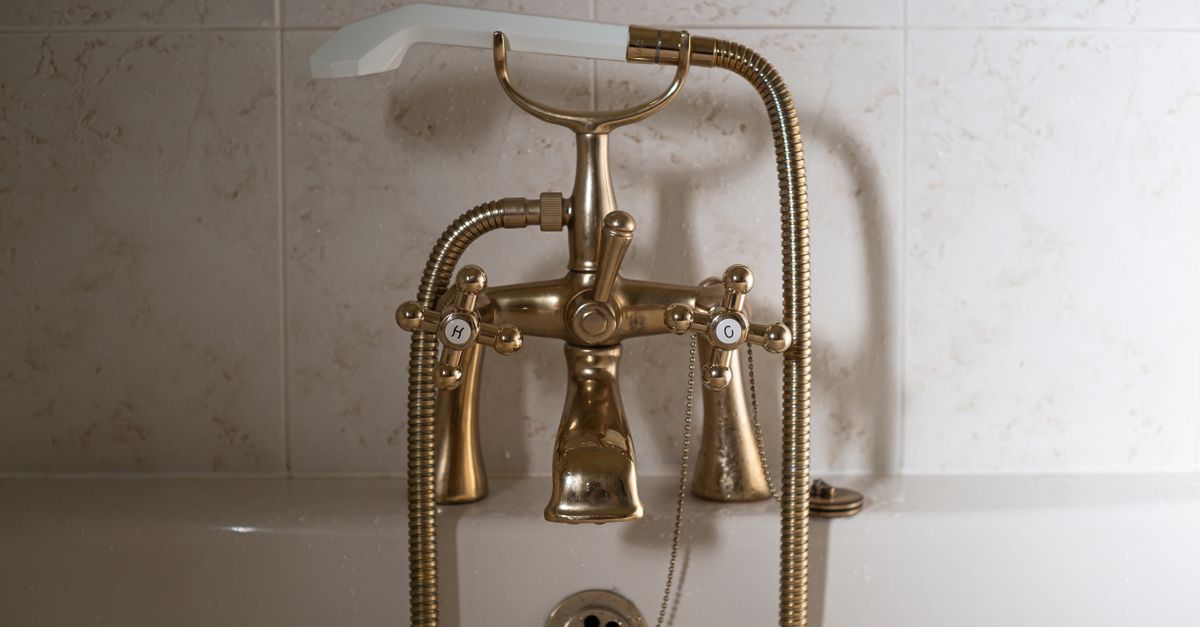 📷 Rodion Kutsaiev · Pexels
✦ Key takeaways
- Cold water triggers a brief stress response that raises alertness and releases noradrenaline, so the refreshed feeling is real.
- Evidence for fewer sick days is weak to moderate, while claims of major fat burning and immune boosting are overstated.
- Start with thirty seconds of cold at the end of your normal shower and build up gradually.
- People with heart disease or uncontrolled blood pressure should ask their doctor before cold exposure.
Let me tell you something: the first second under cold water makes the world stop. Your breath quickens, your skin clamps, and your brain screams to get out. Then, a few moments later, everything settles and a strange feeling of alertness and clarity takes over. That rapid shift is exactly what turned cold showers into a phenomenon shared by millions online. But between personal experience and marketing promises lies a wide gap, and the truth is that science confirms some benefits while placing large question marks over others.
In this article we separate what actually happens in your body when it meets cold water, what studies support, and what has become a digital myth with no solid basis. The goal is neither to push you nor scare you off, but to let you decide with open eyes.
🔥 Calorie Calculator
Find your daily calorie needs and goal calories — free & instant.
What Happens in Your Body in the First Seconds
When cold water touches your skin, thermal receptors send an urgent signal to the sympathetic nervous system. Your heart rate rises, your blood pressure edges up, and surface blood vessels constrict to protect the temperature of your vital organs. At the same time your body releases a surge of noradrenaline, a messenger tied to alertness, focus, and mood.
This sharp response explains why you step out of a cold shower more awake. Picture your body pressing a mild alarm button: your pupils widen, your breathing speeds up, your pulse climbs. It is stress, but short and controlled stress, and that may be precisely part of its value.
The Benefits Science Supports
The first reasonably documented benefit is heightened alertness. The rise in noradrenaline and the stimulating response make cold water a genuine substitute for a morning coffee for many people, and it is an effect you feel immediately, requiring no prior belief.
The second benefit concerns mood. Early studies suggest that regular cold exposure may ease low-mood symptoms in some people, perhaps by training the stress system in a way that improves the body's capacity to recover. The evidence here is promising but small in scale, so do not treat it as a treatment.
The most research-famous benefit came from a large Dutch study, which found that people who ended their shower with thirty to ninety seconds of cold recorded about a 29% drop in sick days off work, even though the severity of illness itself did not change. It is an intriguing signal, but one study does not make certainty.
What Is Genuinely Overhyped
The truth is that much of what gets promoted does not survive scrutiny. The idea is sold that cold water burns huge amounts of fat by activating brown fat. Yes, cold does activate that tissue, but the amount a short shower burns is tiny and nowhere near the effect of diet and movement. Anyone who promises noticeable weight loss from two minutes under cold water is selling an illusion.
The immune-boosting idea is also exaggerated. There is a slight immune response, true, but no strong evidence that cold water makes you meaningfully less prone to infection. And promises of flushing out toxins or curing chronic inflammation are marketing language with no scientific footing. The real benefit is modest and realistic, and overstatement only robs it of credibility.
How to Start Safely
You do not need to plunge into freezing water. Begin with your usual warm shower, then for the final thirty seconds switch to a tolerable cold and focus on slow, deep breathing. The next week add fifteen seconds, and so on until you reach a minute or two if you wish. Calm breathing is your key: it is what turns the shock into control.
Consistency matters more than heroics. One cold minute daily beats ten minutes once a fortnight. And listen to your body: the goal is refreshment, not suffering, and if you leave shivering for a long time you overdid it.
When to Avoid It and When to See a Doctor
Cold exposure is not entirely harmless for everyone. Because it raises blood pressure and momentarily strains the heart, people with heart disease, uncontrolled blood pressure, or heart rhythm disorders should consult their doctor before starting. People with Raynaud's phenomenon, whose extremities react strongly to cold, should also be cautious.
If you feel chest pain, severe palpitations, dizziness, or shortness of breath during cold exposure, stop at once and seek medical advice. Sudden full immersion in freezing water without acclimatization is not advised, as it can trigger a dangerous cold-shock gasp reflex. This article is educational and does not replace the opinion of your doctor, who knows your specific situation.
Cold and Athletic Recovery
One of the most common uses of cold water among athletes is the cold plunge after training to speed recovery and ease muscle soreness. The picture here is nuanced and two-sided: cold does reduce the sensation of pain and swelling after intense effort, and it may help you return sooner to your next session. But there is an important paradox you should know.
If your goal is to build muscle and strength, cooling immediately after resistance training may slightly blunt the growth signals your body releases in response to the effort. That is why many specialists advise bodybuilders to keep the cold shower for rest days or away from muscle-building sessions, while endurance and repeated-sport athletes benefit from it more. The rule is that each goal has its tool, and there is no single protocol that suits everyone.
Make It a Ritual, Not a Punishment
The truth is that the most important factor in the success of any habit is your psychological relationship with it. If you enter the cold water shivering, hating it, and terrified, you will not last a week. But if you turn it into a conscious ritual in which you choose to face a small discomfort with calm and deep breathing, it can become a small victory that opens your day. Many who have kept it up describe the real benefit as mental more than physical: training to stay calm amid discomfort.
Start with very small goals, celebrate every day you stay consistent, and do not make the number or duration an end in itself. Gentle consistency always beats violent, intermittent heroics, and your body rewards steadiness, not the temporary enthusiasm that fades after a few days.
Sources
Cleveland Clinic — Is Taking Cold Showers Good for You? Harvard Health Publishing — reports on cold exposure and recovery PLOS ONE study (Buijze et al., 2016) on cold showers and sick days
🛒 Selected health picks on AliExpress



Affiliate links — small commission possible, no extra cost.